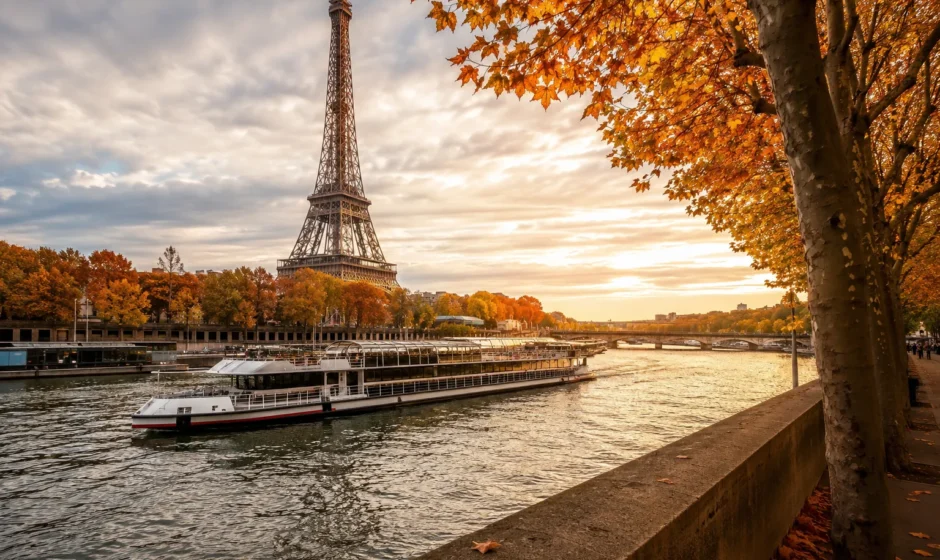

Ask experienced travelers when the best time to visit Europe actually is, and a surprising number will say autumn, not summer. The crowds thin out, prices drop meaningfully, and the continent trades peak-season chaos for something closer to what people are actually looking for when they picture a European trip. Here’s where to go across September, October, and November. And why this season deserves serious consideration over the traditional summer rush.
Why Autumn Beats Summer for a European Trip
The case for autumn travel comes down to three concrete advantages. First, prices: flights, hotels, and everything else typically run 15% to 35% lower than July and August peak pricing. Second, crowds: major attractions that require booking months ahead in summer — the Sagrada Família in Barcelona is a good example — become accessible with a week’s notice or less. Third, and often overlooked: the food. Truffle season in Italy, grape harvest across Portugal and France, and chestnuts roasting on street corners continent-wide make autumn genuinely one of the best eating seasons in Europe, not just a quieter version of summer.
September | Still Warm, Already Quieter
September offers close to the best of both worlds — summer-level weather across most of the continent, paired with the return of order once school holidays end. Southern Europe remains genuinely warm enough for beach time well into the month:
- Madeira, Portugal — already recognized as 2026’s #1 trending destination overall, Madeira’s stable, mild microclimate makes it just as appealing in September as any other month, with none of the peak-season crowding.
- Seville, Spain — its microclimate keeps temperatures pleasant into early autumn, ideal for the kind of extended, late-night dinner culture Andalusia is known for.
- The Greek Islands — still warm enough for genuine beach weather, but with the summer rush noticeably thinning by mid-September.
October | Golden Light and Grape Harvest
October is arguably autumn’s signature month in Europe — foliage peaks across much of the continent, and wine regions come alive with harvest celebrations.
- The Wachau Valley, Austria — one of the continent’s most scenic wine-growing regions, particularly rewarding for hikers (the Dürnstein to Krems trail is a standout) and for anyone wanting to try Sturm, the traditional young “storm wine” available only in early autumn.
- Kotor, Montenegro — an under-the-radar coastal town where the Ladder of Kotor hike and sweeping views from Kotor Fortress make for one of the Adriatic’s most rewarding autumn getaways.
- Cortina d’Ampezzo, Italy — a Dolomites gem that trades summer hiking crowds for crisp golden-hour mountain light, without yet shifting into full ski-season mode.
- Brașov and the Transfăgărășan Road, Romania — genuinely one of the world’s most scenic drives, though it’s worth noting the road typically closes in late October or early November depending on weather, so timing matters if this is on your list.
- Krakow, Poland — one of Europe’s most atmospheric old towns turns even more photogenic framed by amber leaves, with noticeably fewer crowds than peak summer.
November | The Shoulder Season Sweet Spot
November sits at the edge between shoulder season and low season depending on the destination, which makes it a genuinely underrated month for city breaks specifically.
- Barcelona, Spain — one of Europe’s most underrated November destinations, with temperatures cool enough for evening coats but warm enough for outdoor lunches, dramatically shorter lines at major sights, and the city’s food scene arguably at its year-round best.
- Budapest, Hungary — often cited as one of the continent’s most underrated cities generally, and November’s cooler air makes the city’s famous thermal baths, like Széchenyi, feel even more appealing than in warmer months.
- Edinburgh, Scotland — a strong pick for book lovers and anyone who prefers atmospheric, moody city exploring over beach weather.
- Ghent, Belgium — canals reflecting autumn color and a genuinely laid-back, cozy university-town atmosphere make it one of the most underrated small-city breaks in Europe.
- Cyprus and the Canary Islands — for travelers who still want guaranteed warmth, these remain reliably sunny well into November, alongside pockets of southern Greece and Italy.
Some November trips also mark the beginning of Christmas market season in cities further north, so late-November travel to places like Strasbourg or Vienna can capture both golden autumn scenery and the very first festive markets of the year, depending on exact timing.
How to Choose Your Autumn Trip
- Want warmth without summer crowds: stick to September in Madeira, Seville, or the Greek Islands.
- Want peak foliage and wine harvest: October in Austria’s Wachau Valley or Poland’s Krakow delivers the most classically “autumnal” experience.
- Want a quiet, underrated city break: November in Barcelona, Budapest, or Ghent offers major-city culture with a fraction of the usual visitor volume.
- Want scenic road trips: plan a Romanian Transfăgărășan Road trip for October, before seasonal closures begin.
The Bottom Line
Autumn’s combination of lower prices, thinner crowds, and genuinely excellent seasonal food makes a strong case for treating it as Europe’s best travel season rather than a fallback after summer. Whether that means chasing golden foliage through Austrian wine country in October or having Barcelona feel like your own private city in November, the region rewards travelers willing to trade peak-season predictability for a quieter, arguably richer version of the same trip.
Frequently Asked Questions
Is autumn a good time to visit Europe?
Yes — many experienced travelers consider it the best season, thanks to prices running 15% to 35% lower than summer peak pricing, significantly thinner crowds at major attractions, and seasonal highlights like grape harvest and truffle season.
What is the best month to visit Europe in autumn?
It depends on your priorities. September still offers summer-like warmth with fewer crowds, October delivers peak foliage and wine harvest experiences, and November offers the quietest city breaks along with the earliest Christmas markets in northern destinations.
Where is warm in Europe in November?
Cyprus, the Canary Islands, and pockets of southern Greece and Italy remain reliably warm into November, making them good picks for travelers who still want guaranteed sun later in the season.
What are the best underrated autumn city breaks in Europe?
Ghent (Belgium), Kotor (Montenegro), Budapest (Hungary), and Krakow (Poland) are frequently cited as some of Europe’s most underrated autumn destinations, offering major-city character with a fraction of peak-season visitor volume.
When does the Transfăgărășan Road in Romania close for the season?
The road typically closes in late October or early November, depending on weather conditions that year, so travelers hoping to drive it should plan for October rather than leaving it until later in autumn.