
Valencia pairs futuristic architecture with one of Spain’s oldest historic centers. Few cities balance the two this well. It’s also the birthplace of paella, and the dish tastes noticeably different here than anywhere else in the country. This guide covers Valencia’s top sights, food, and how to plan a visit.
How Many Days Do You Need in Valencia?
Two days covers the essentials comfortably. Three days allows time for a beach afternoon and a slower pace through the old town. Valencia also works well as a shorter add-on to a longer Spain itinerary, given its manageable size.
City of Arts and Sciences
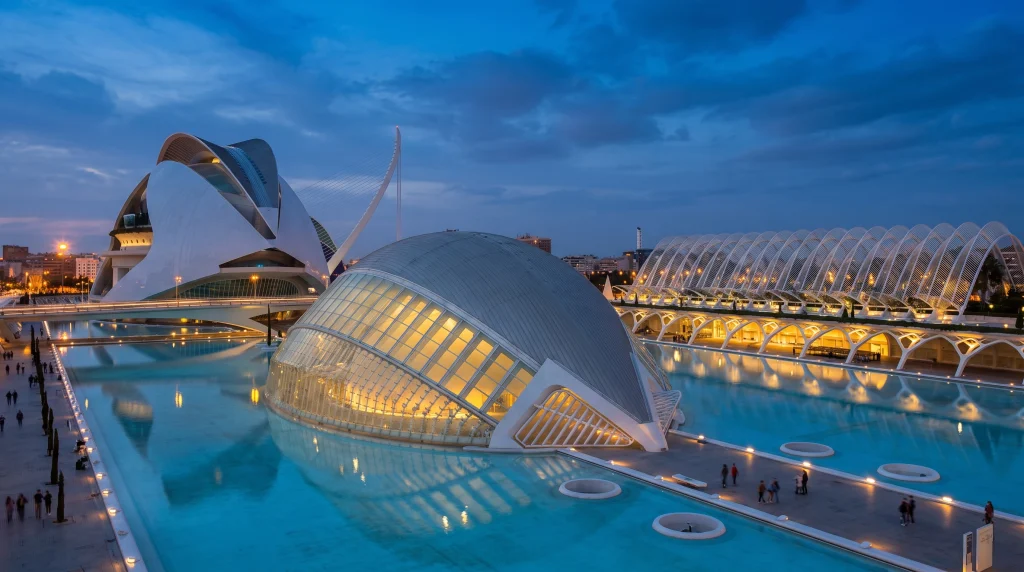
The City of Arts and Sciences anchors Valencia’s modern side, a complex of curved white buildings designed by architect Santiago Calatrava. The complex includes an aquarium, a planetarium, an opera house, and an interactive science museum. Visit in late afternoon for the best light on the building’s reflective pools and dramatic angles.
The Turia Gardens
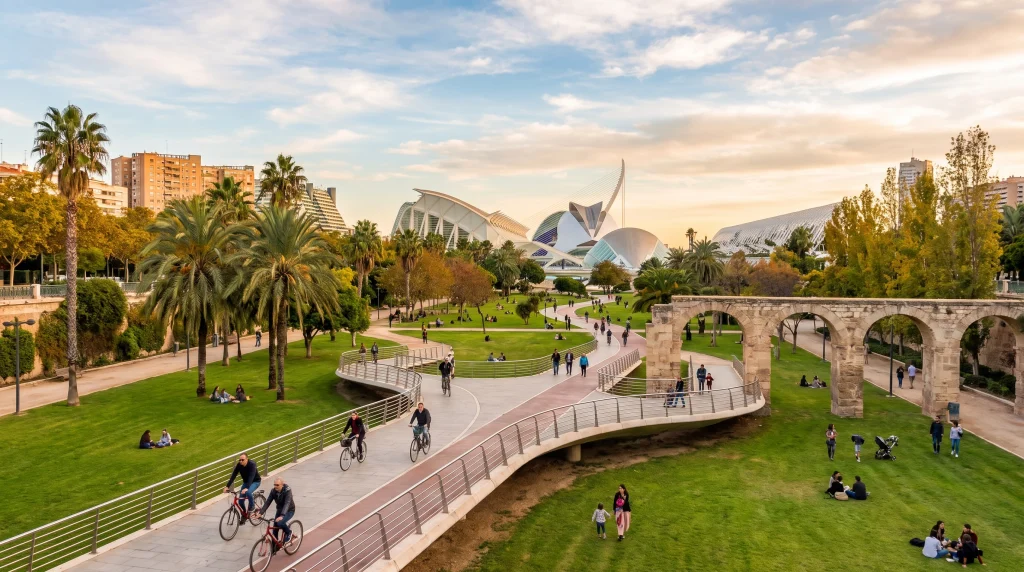
The Turia Gardens run through a former riverbed, transformed into a nine-kilometer park connecting much of the city. Cyclists, joggers, and families use the park daily. It offers a walkable route from the old town almost to the City of Arts and Sciences. This green corridor makes Valencia one of the more pedestrian-friendly major cities in Spain.
Valencia’s Old Town
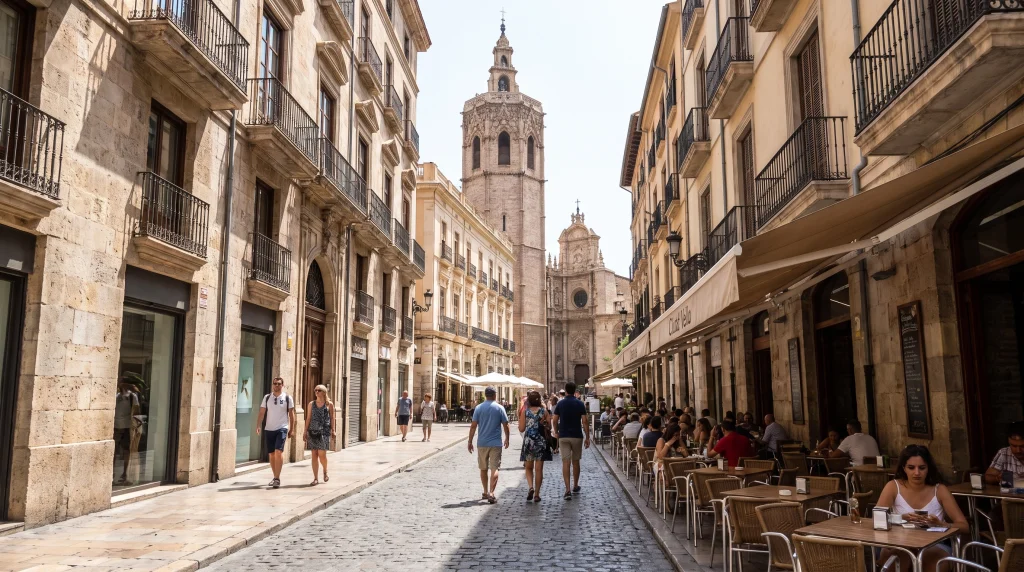
The historic center surrounds the Silk Exchange, a UNESCO World Heritage site built in the 15th century for silk traders. Valencia Cathedral sits nearby, said by some local tradition to house the Holy Grail, displayed in one of its side chapels. Central Market, one of Europe’s largest covered markets, sits a short walk away and remains a working market rather than a tourist stop.
Paella and Local Food
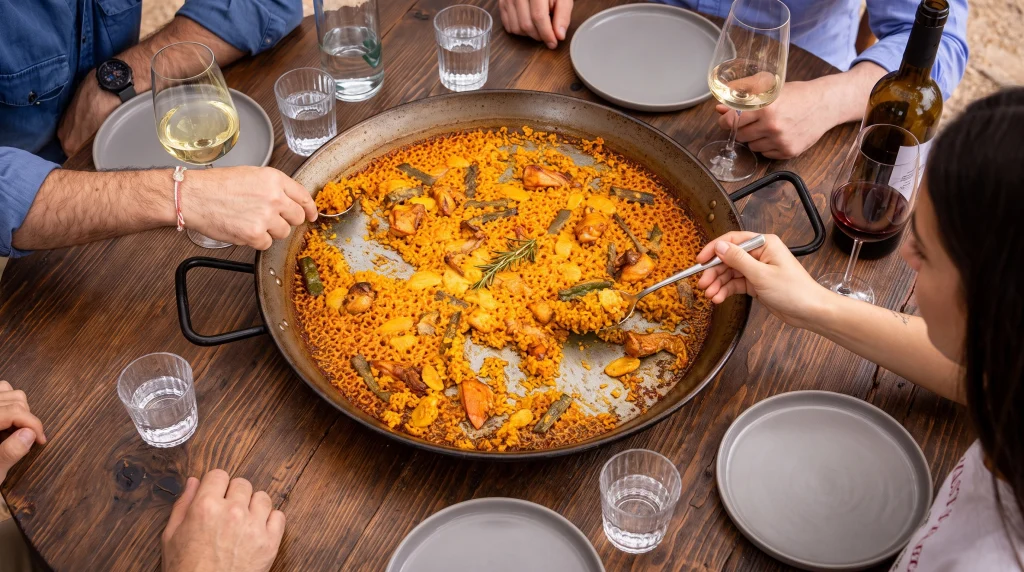
Valencia is the true origin of paella, traditionally made with rabbit, chicken, and local beans rather than seafood. Order paella for lunch. Traditional restaurants rarely serve it at dinner, since locals consider it a midday dish. Horchata, a sweet drink made from tiger nuts, is a Valencian specialty worth trying alongside fartons, a local pastry.
Beaches Near Valencia
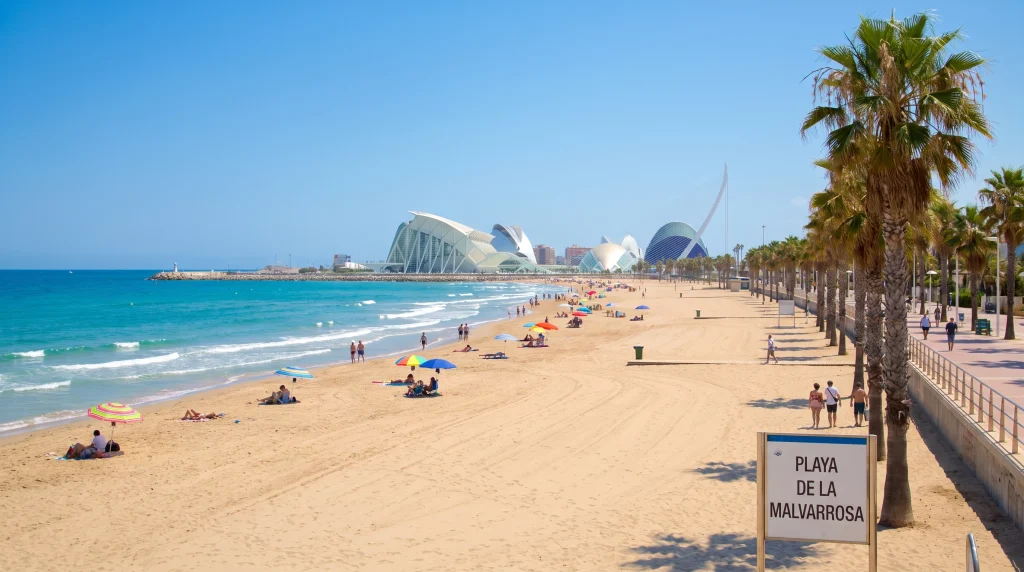
Malvarrosa Beach sits a short tram ride from the city center, offering a wide sandy stretch without leaving the city limits. It’s less crowded than beaches in Barcelona or Málaga, making it a relaxed option for an afternoon break from sightseeing.
Where to Stay
Ciutat Vella (Old Town): Best for first-time visitors who want to walk to the cathedral and Silk Exchange.
Ruzafa: A trendy, food-focused neighborhood popular with younger travelers.
Near the City of Arts and Sciences: Better for travelers prioritizing the modern architecture and a quieter stay.
Best Time to Visit Valencia
Valencia gets over 300 days of sun per year, making it a reliable warm-weather destination through much of the calendar. March brings Las Fallas, one of Spain’s biggest festivals, featuring massive sculptures and nightly fireworks. Expect large crowds and higher prices during this period.
Final Tips
Book City of Arts and Sciences tickets online in advance, especially for the aquarium during peak season. Eat paella at lunch, not dinner, to match local dining habits and get the freshest version of the dish. For a broader comparison with Spain’s other major cities, see our full guide to the best cities to visit in Spain.
For a broader comparison with Spain’s other major cities, see our full guide to the best cities to visit in Spain
Frequently Asked Questions
How many days in Valencia is enough?
Generally 2-3 days are enough to visit Valencia. Tourist can cover city of Arts and Sciences, the old town, beach afternoon at a more relaxed pace.
Is Valencia a good city for tourists?
Yes, Valencia is a perfect city for tourists in every aspect. Valencia combines beaches, historic architecture, and modern design in a compact, walkable city. It’s also generally less crowded and less expensive than Barcelona or Madrid.
What is the best month to visit Valencia, Spain?
March is the best month to visit Valencia. Because Spain’s biggest festival Las Fallas held in March which brings large crowds. For milder weather without festival crowds, April, May, September, and October are strong choices.
What should I not miss in Valencia?
The City of Arts and Sciences and the Silk Exchange are the two essentials. A traditional paella lunch is also considered a core part of the experience.
What food is Valencia famous for?
Valencia is the birthplace of paella, traditionally made with rabbit, chicken, and local beans rather than seafood. Horchata, a tiger-nut drink, and fartons, a sweet pastry, are other local specialties.
Is Valencia nicer than Barcelona?
This depends on preference rather than one being objectively nicer. Valencia offers a calmer pace and lower prices. Barcelona offers more nightlife, architecture, and overall energy.
What is the prettiest city in Spain?
Granada is frequently named the prettiest, largely due to the Alhambra and its hillside old town. Seville and San Sebastián are also commonly cited for their architecture and coastal setting.
Is Valencia cheap or expensive?
Valencia is generally cheaper than Barcelona and Madrid for accommodation, food, and daily expenses. It’s often cited as one of the better-value major cities in Spain.
How far apart are Valencia and Barcelona?
The two cities sit about 350 kilometers apart. High-speed train connections take roughly 3 hours, while driving takes around 3.5 to 4 hours.