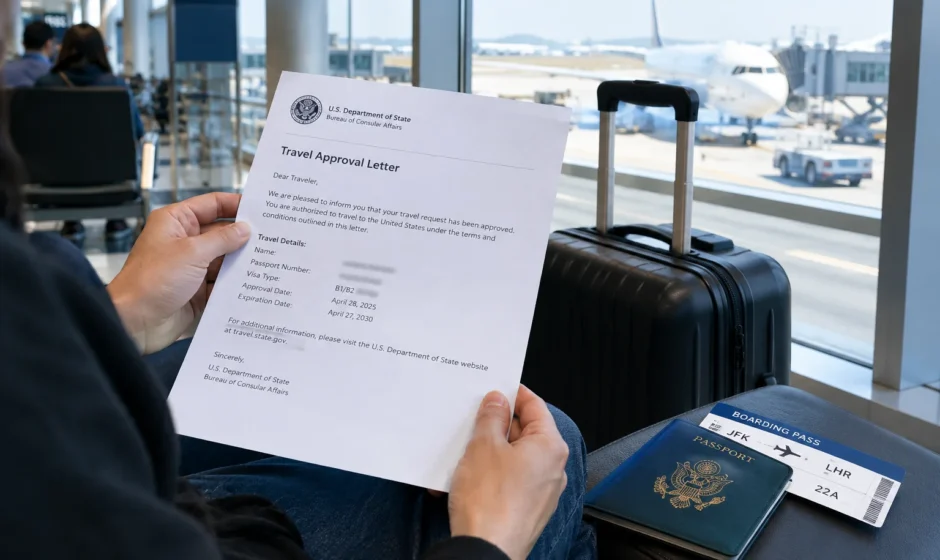

Probation limits your freedom, but it rarely bans travel outright. Courts want supervision, not total confinement. Still, the rules trip up many people every year. A single unapproved trip can trigger a violation. This guide breaks down exactly what U.S. probation systems expect from you.
Can you travel when on probation?
Yes, most probationers can travel, but permission usually comes first. Your probation officer controls short trips in most cases. Judges control bigger moves, especially international travel. Ignoring this process risks fines, extended supervision, or jail time.
How Probation Travel Restrictions Actually Work?
Every probation order includes specific conditions. Travel restrictions rank among the most common conditions nationwide. They exist to keep supervision consistent and predictable. Officers need to know your location at all times.
Standard probation conditions often include:
- A mileage radius, such as 50 miles from your home county
- A requirement to stay within your state
- A rule against leaving your county without written approval
- Mandatory check-ins during any approved trip
Federal probation works differently from state probation. Federal conditions center on judicial districts, not state lines. Some states contain multiple federal districts. A short drive could cross district boundaries without crossing state lines. Always confirm your exact district with your officer.
In-State Travel While on Probation
Short trips within your state usually face fewer hurdles. Many probation departments allow local travel without formal approval. Longer distances inside the same state may still need notice. Some counties require advance permission regardless of distance.
Check your written probation order first. It typically states any mileage limits or county restrictions. When in doubt, call your officer before booking anything.
Out-of-State Travel While on Probation
Crossing state lines raises the stakes considerably. National data shows a majority of jurisdictions restrict interstate travel without prior approval. Roughly 57% of U.S. jurisdictions block unauthorized out-of-state trips entirely.
Out-of-state travel typically requires:
- A written travel request submitted in advance
- A clear reason for the trip
- Exact dates, destinations, and lodging details
- Officer or judicial sign-off before departure
The Interstate Compact for Adult Offender Supervision governs longer stays. States use this compact to transfer supervision between jurisdictions. Short visits rarely trigger a formal transfer. Extended stays or relocations almost always do. That process can take weeks or even months, so plan early.
International Travel While on Probation
International trips face the tightest restrictions of all. Courts worry about flight risk once someone leaves the country. A judge typically must approve international travel in writing. Your passport status can also affect eligibility.
Expect these requirements for international requests:
- Formal court approval, not just officer approval
- Proof of a legitimate reason, like work or family need
- A complete itinerary with return dates
- Compliance with the destination country’s entry rules
Serious offenses often block international travel completely. Courts may deny all foreign trips until probation ends. Always confirm passport and visa rules separately from probation approval.
Traveling vs. Moving: Know the Difference
Courts treat a vacation differently than a permanent move. A short trip usually needs officer approval alone. A permanent relocation almost always needs formal supervision transfer. Confusing the two can create serious violations.
Tell your officer your full intent before requesting anything. Clarify whether you plan to return or relocate permanently. This distinction changes which approval process applies to you.
Steps to Request Travel Approval
A vague request rarely gets approved. Courts and officers want specifics, not general plans. Follow these steps to strengthen your request.
- Review your probation order carefully. Confirm any existing travel language first.
- Submit your request early. Most officers want two to four weeks’ notice.
- Include full documentation. Attach tickets, itineraries, work letters, or medical records.
- State your exact reason. Work trips, family emergencies, and medical care rank highest.
- Get written approval. Verbal permission alone will not protect you later.
- Carry proof during travel. Keep your approval letter accessible at all times.
- Stay reachable. Answer check-in calls and respond to officer requests promptly.
When Travel Requests Get Approved?
Officers weigh several factors before approving any trip. Compliance history matters more than almost anything else. A clean record on probation builds real trust over time.
Requests often succeed when they involve:
- Job assignments, interviews, or required work travel
- Serious illness or death within your immediate family
- Court appearances tied to another legal matter
- Approved education or training programs
- Medical treatment unavailable in your local area
Detailed plans help your case significantly. Vague answers about “visiting friends” raise red flags immediately. Specific dates, addresses, and contacts show real intent.
When Travel Requests Get Denied?
Some situations make approval unlikely, regardless of your reason. Officers assess risk before granting any travel privilege.
Common reasons for denial include:
- Unpaid fines, fees, or restitution
- Incomplete community service hours
- Missed classes, treatment, or required programs
- Any recent history of probation violations
- Offenses involving flight risk or public safety concerns
A serious felony conviction usually brings stricter limits than a misdemeanor. Judges and officers scrutinize high-risk cases far more closely.
Consequences of Unauthorized Travel
Leaving without permission counts as a technical violation. Technical violations remain a leading cause of reincarceration nationwide. Roughly 10% of state prison admissions stem from technical violations rather than new crimes.
Unauthorized travel can lead to:
- A formal probation violation report
- Additional fines or extended supervision
- Loss of future travel privileges
- Arrest, detention, or revocation of probation
- Jail or prison time, in serious cases
Judges consider your full history before deciding consequences. A first-time technical slip may bring a warning. Repeated violations invite much harsher penalties.
Why Courts Restrict Travel in the First Place?
Travel limits aren’t designed purely to punish you. They exist to support consistent supervision and community safety. Officers must track your location to verify compliance.
Staying close to your jurisdiction also protects your case. Court dates, treatment sessions, and check-ins require your physical presence. Distance makes those obligations harder to meet.
Many departments still support reasonable travel requests. Officers want to see stability, not isolation. Employment, education, and family support all strengthen rehabilitation. Requesting permission properly shows maturity and respect for the process.
State-by-State Differences in Travel Rules
No single national rule governs every probationer. States write their own conditions, and courts customize cases further.
A few real examples show how much variation exists:
- Washington, D.C.: Supervision blocks travel beyond a 50-mile radius for your first 60 days. After that window, officers can approve trips outside that radius case by case.
- Michigan: Out-of-state travel needs court approval, not just an officer’s sign-off. International trips face even tighter scrutiny, and parolees cannot leave the country at all.
- Texas: Family court matters can complicate travel further. Unauthorized trips may affect reunification efforts in related child welfare cases.
These examples prove one point clearly. Your specific court order always controls your actual rights. Generic advice online cannot replace your written conditions.
Does GPS Monitoring Affect Travel Approval?
Many probationers wear GPS ankle monitors during supervision. These devices track location continuously, day and night. Monitoring does not automatically block travel requests.
However, monitored individuals face extra logistics. Devices often need charging access during long trips. Some monitors require calibration if you leave a coverage zone. Ask your officer how monitoring affects any planned trip. Battery issues or signal loss can look like a violation, even by accident.
Probation vs. Parole: A Key Distinction
People often confuse probation with parole, but the two differ sharply. Probation usually replaces incarceration entirely for eligible offenders. Parole follows a period of actual imprisonment instead.
Parole conditions tend to run stricter than probation conditions. International travel bans apply to parolees far more often. Always confirm which supervision type applies to your case before assuming any rule.
Federal Probation Travel Rules
Federal supervision follows its own national framework. The standard condition restricts leaving your authorized judicial district. This differs from simply crossing a state border.
Key points for federal probationers:
- District boundaries matter more than state lines
- Local U.S. Probation Offices set specific deadlines
- International travel needs court-level, not just officer, approval
- District courts can add special conditions beyond the standard rule
Always read your actual judgment first. Wording varies between individual federal cases. Your supervising officer can clarify your exact district boundaries.
Tips for a Smooth Travel Request
A little preparation prevents major setbacks later. These practical habits protect your case and your freedom.
- Request permission well before booking nonrefundable travel
- Keep copies of every approval in writing
- Update your officer immediately if plans change
- Avoid last-minute or vague travel requests
- Ask about required forms specific to your court
Consistency builds trust with your supervising officer. Trust often translates into smoother approvals down the road.
Common Mistakes That Lead to Violations
Small oversights often cause big problems during probation. Recognizing these mistakes early can save you real trouble.
- Assuming silence means approval. No response is not the same as a yes. Always wait for written confirmation before traveling.
- Booking nonrefundable travel too early. Purchase tickets only after receiving formal approval. Early bookings create pressure to travel regardless of the outcome.
- Skipping check-ins during a trip. Officers expect contact on schedule, even while you travel. Missing a check-in can look like noncompliance.
- Forgetting your approval letter. Law enforcement may ask for proof during unrelated stops. Carrying documentation avoids unnecessary confusion.
- Underestimating short trips. Even a quick overnight trip can violate strict conditions. Distance rules apply regardless of trip length.
Avoiding these mistakes keeps your record clean. A clean record makes future requests easier to approve.
Frequently Asked Questions
Can you travel out of state while on probation?
Yes, but most states require advance written permission first. Officers evaluate your compliance history and the reason for travel. Unapproved interstate trips can trigger a violation.
Can you fly on a plane while on probation?
Flying itself is not automatically prohibited during probation. Airports typically do not block travelers based on probation status alone. Your court-ordered conditions still control whether the trip is allowed.
How far in advance should you request travel?
Most officers recommend two to four weeks’ notice. Complex requests, like international trips, often need more time. Early requests give courts time to review documentation properly.
Can you travel internationally on probation?
International travel usually requires formal court approval, not just officer approval. Courts weigh flight risk heavily before granting these requests. Serious offenses may block foreign travel entirely.
What happens if you travel without permission?
Unauthorized travel counts as a technical probation violation. Consequences range from a warning to revocation and jail time. Your history and the offense severity affect the outcome.
Does moving to another state end your probation?
No, moving does not end your supervision automatically. It typically triggers a formal transfer under interstate compact rules. That transfer process can take weeks or months to complete.
Can a probation officer deny all travel requests?
Officers can deny individual requests, but a blanket denial is unusual. Denials usually relate to unpaid fees, violations, or missing documentation. Strong, well-documented requests improve your chances significantly.
Can probation be transferred to another state permanently?
Yes, permanent relocation typically requires a formal interstate transfer. Both states must approve the transfer under compact rules. Officers coordinate the process, but it can take months.
Do probation officers check flight records?
Officers can verify travel details through submitted documentation. Some request flight numbers, tickets, or itineraries directly. Providing accurate information avoids discrepancies during review.
Final Thoughts
Travel remains possible for most people on probation. Success depends entirely on following the correct process. Read your conditions, document your reasons, and request approval early. Respecting the rules protects both your freedom and your progress toward completing probation successfully.