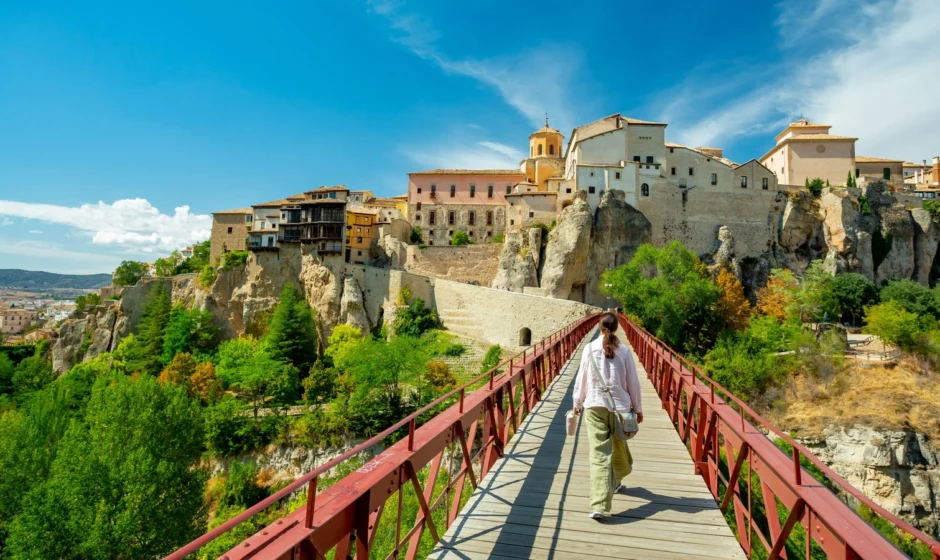

Spain’s oldest cities were built long before cars existed. That history works in your favor as a traveler. Narrow streets, compact old towns, and pedestrian-only zones make many Spanish cities easy to explore entirely on foot. You can skip the rental car and still see everything worth seeing. Here are the most walkable cities in Spain, and what makes each one easy to navigate.
Seville | Spain’s Most Walkable City
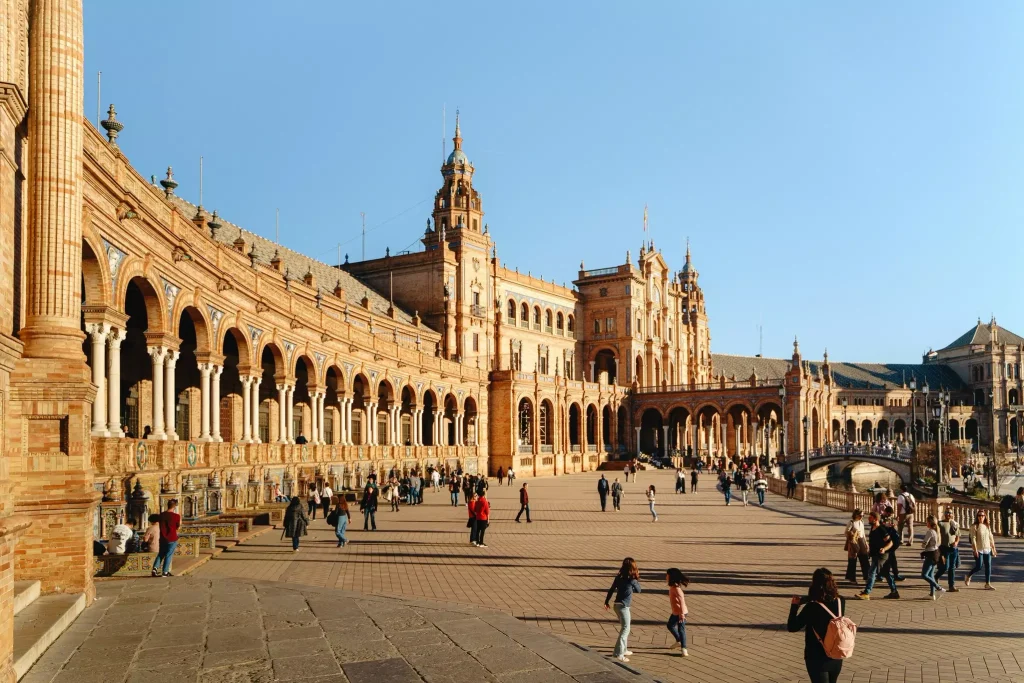
Seville consistently ranks as one of Europe’s most walkable cities in urban mobility studies. One ranking placed its average walking distance to reach daily amenities at under two kilometers. The city’s major sights sit close together. The Real Alcázar, Seville Cathedral, and Plaza de España are all within a short walk of each other.
Barrio Santa Cruz, the old Jewish quarter, rewards slow wandering. Its narrow streets were designed for shade and foot traffic, not vehicles. Flat terrain across most of the city center makes Seville comfortable to walk even in the afternoon heat, if you time it right.
San Sebastián | A Compact City Built Around Its Bay
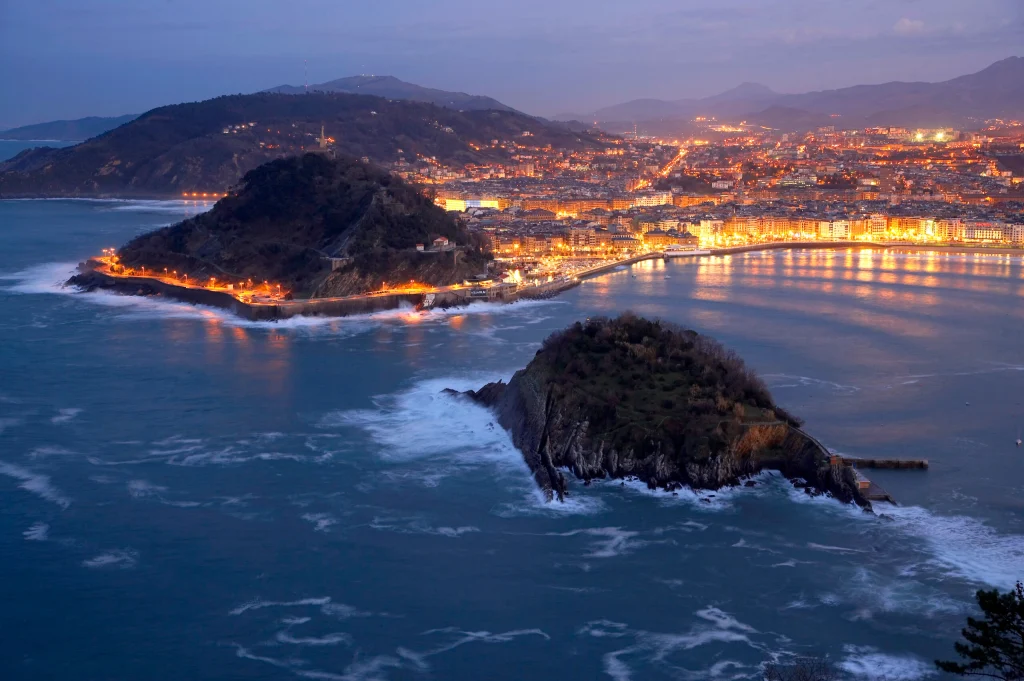
San Sebastián wraps around La Concha Bay, with most attractions reachable on foot from the city center. The promenade along the bay offers one continuous walking route, from the beach to Monte Urgull’s viewpoint. Parte Vieja, the old town, packs dozens of pintxos bars into a few walkable blocks. Locals hop between them on foot as a matter of routine. The city’s compact size means most visitors never need public transport during a short stay.
Valencia | A City Built for Pedestrians
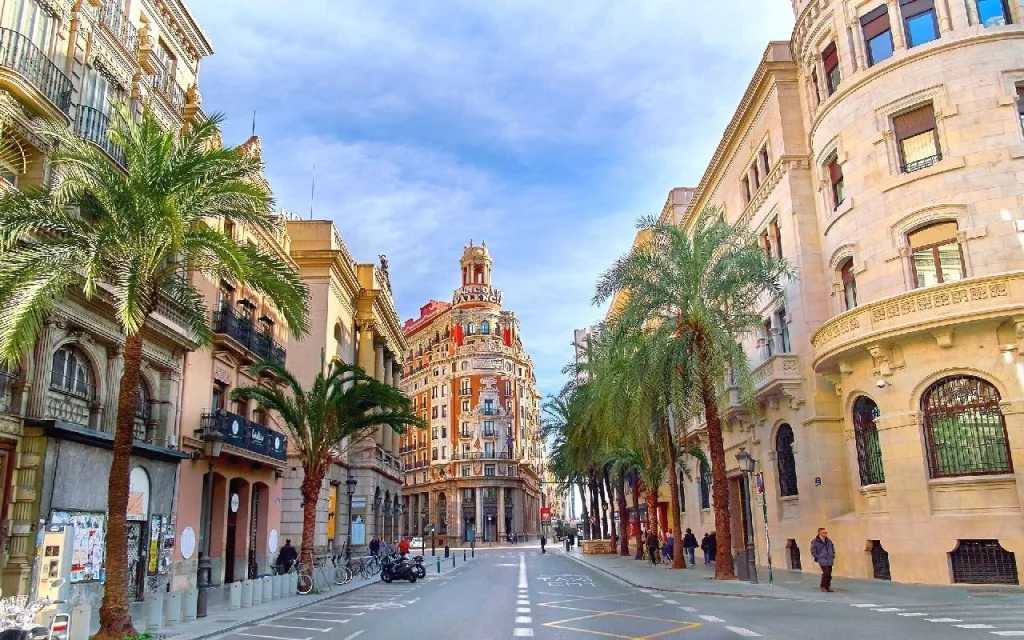
Valencia has been recognized for its pedestrian-friendly urban planning, including the Turia Gardens, a nine-kilometer park built along a former riverbed. The park connects much of the city on foot, cutting through neighborhoods without crossing major traffic. Valencia’s historic center stays compact around the Silk Exchange and Central Market, both walkable from most central hotels. The City of Arts and Sciences sits slightly outside the old town but connects via the same riverbed park path.
Bilbao | Seven Streets and a Riverside Walk
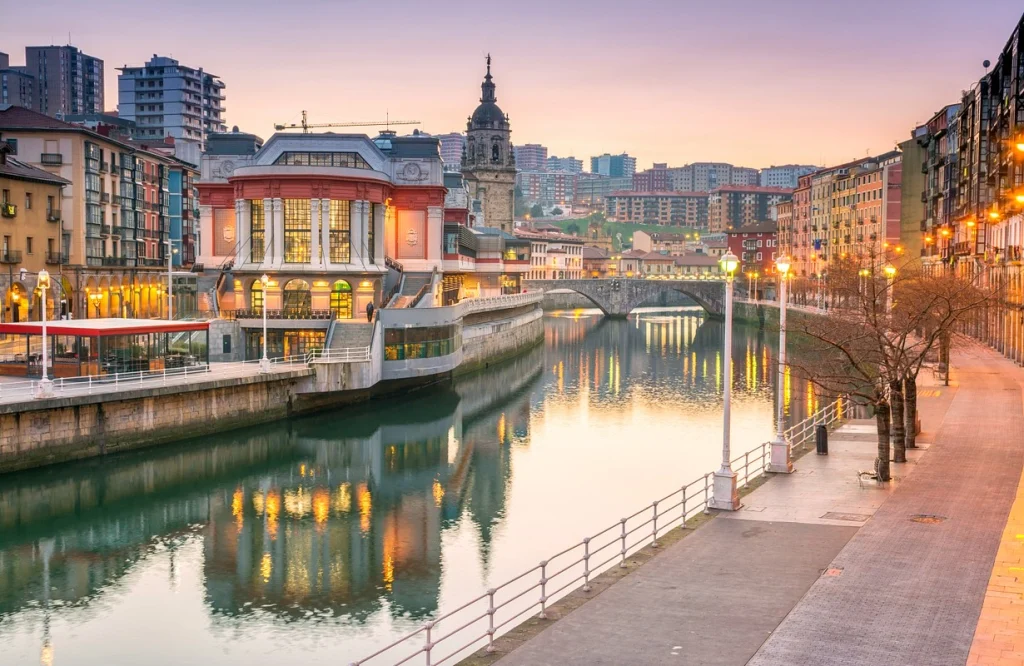
Bilbao’s old town, Casco Viejo, centers on seven historic streets known locally as Las Siete Calles. Most of the city’s major sights sit within a 30-minute walk of each other. The Guggenheim Museum connects easily to the old town via a riverside promenade along the Nervión. Mercado de la Ribera, one of Europe’s largest covered markets, sits a few minutes from the old town by foot. Bilbao’s layout rewards walking the river route slowly rather than rushing between sights.
Read more about Bilbao Travel Guide
Córdoba |A Compact Historic Center
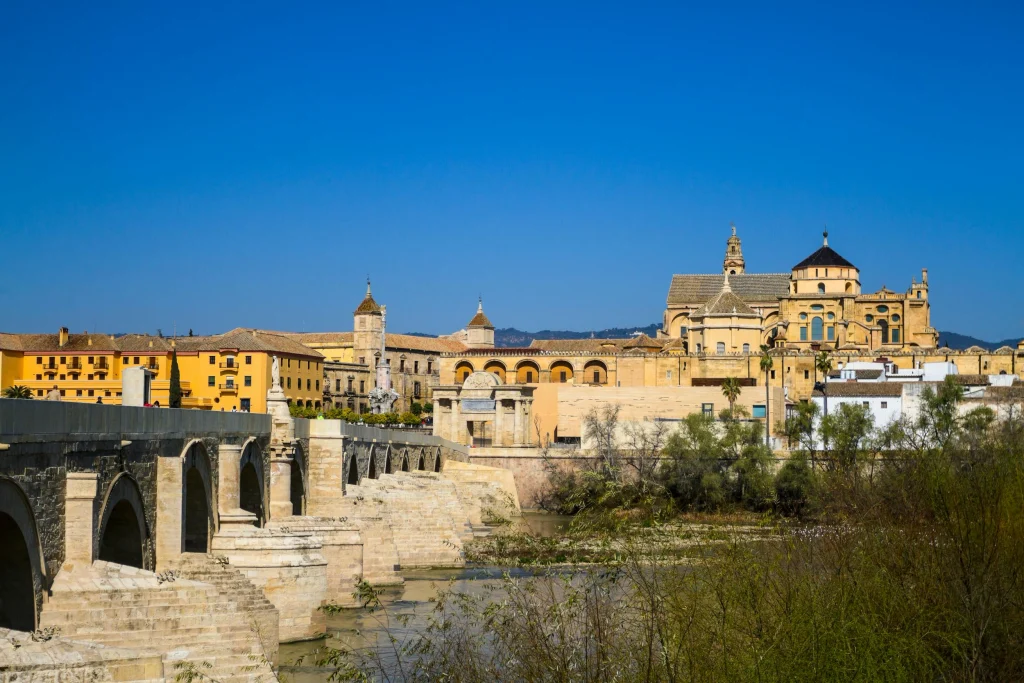
Córdoba’s old town, centered on the Mezquita, stays small enough to explore without transport. Flat streets and a tightly packed historic center put most major sights within a short walk of each other. The Jewish Quarter, with its flower-filled patios and whitewashed walls, is built entirely for foot traffic. Cars rarely enter these streets at all. Because the historic center is so contained, many visitors cover Córdoba’s highlights in a single walking day.
Granada | Steep, But Rewarding on Foot
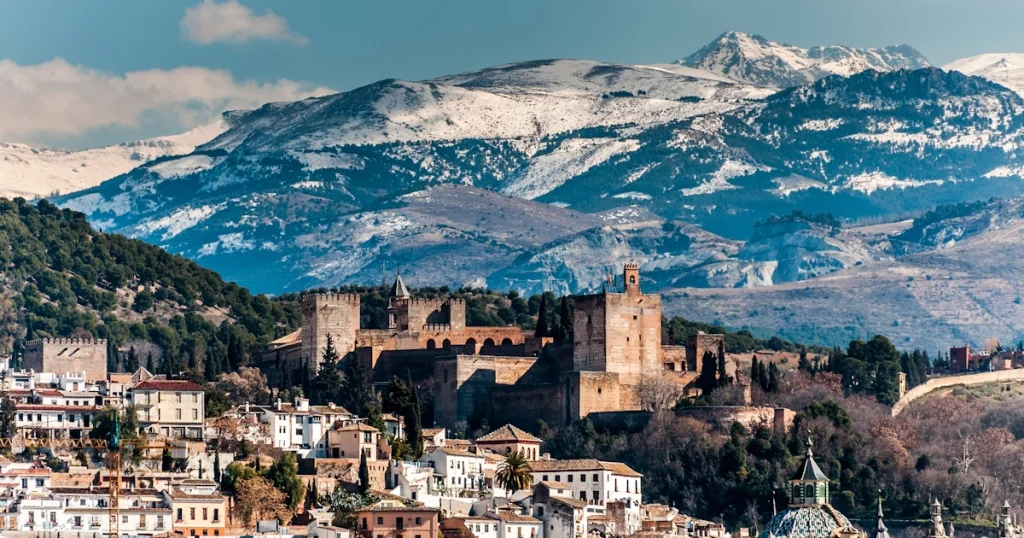
Granada isn’t flat, but its walkability comes from density rather than terrain. The Albaicín neighborhood’s narrow, hillside streets are only accessible on foot. Paseo de los Tristes offers a scenic walking route beneath the Alhambra, especially striking at sunset. The climb up to the Alhambra itself takes about 20-30 minutes on foot from the city center, through shaded streets. Comfortable shoes matter more in Granada than in flatter cities, but the walk is part of the experience. ToperNews provide complete Granada Travel Guide for tourist across the world in detail.
Cuenca | A Medieval Town Made for Walking
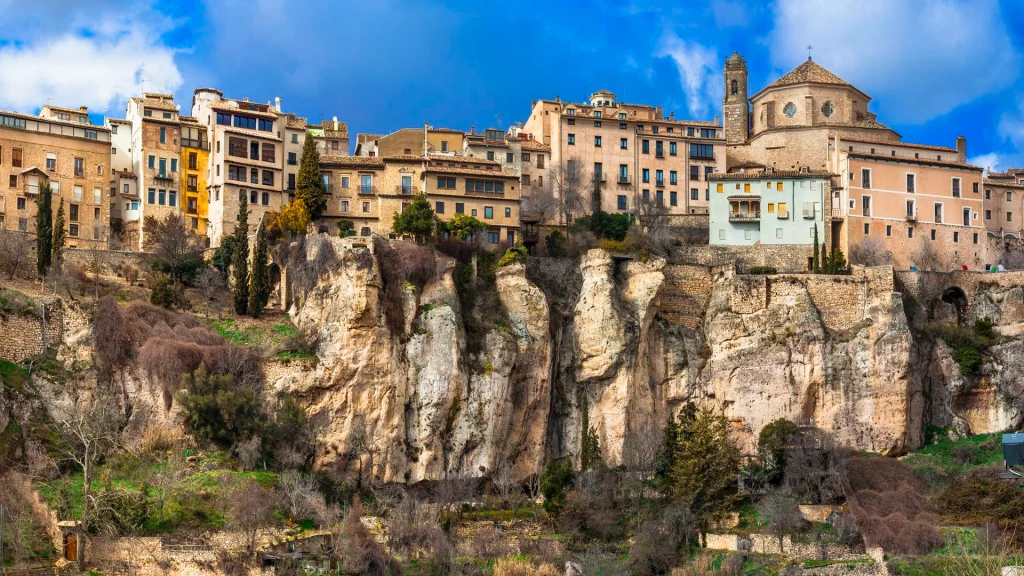
Cuenca’s old town sits on a narrow ridge between two river gorges, with streets built long before cars were a consideration. The city’s famous hanging houses, or casas colgadas, sit along a walkable route through the historic center. Cuenca stays small enough that most visitors see the entire old town in a few hours on foot. Its compact size makes it a popular walkable day trip from Madrid.
Tips for Walking Spanish Cities
- Wear real walking shoes. Cobblestones are common in old towns, and they’re harder on feet than flat pavement.
- Plan around the afternoon heat. Southern cities like Seville and Córdoba get very hot from roughly noon to 4 p.m. in summer.
- Use walking as transport, not just sightseeing. In most cities on this list, walking between neighborhoods is often faster than waiting for a taxi or bus.
- Download an offline map. Old town streets rarely follow a grid, and phone signal can drop in narrow historic centers.
Which City to Choose?
If you want maximum walkability with minimal effort, Seville and San Sebastián are the easiest starting points. Both are flat, compact, and built for foot traffic. If you want walkability paired with dramatic scenery, Granada and Cuenca reward the extra effort with views you won’t find in flatter cities.
For the full list of Spain’s top-visited cities, see our guide to the best cities to visit in Spain
Frequently Asked Question
Where is the best place in Spain for walking?
Northern Spain (Basque Country, Galicia, the Pyrenees) offers the best long-distance hiking terrain. For city walking specifically, Seville and San Sebastián are the easiest, flattest options.
What are some good walking trips in Spain?
The Camino de Santiago is the best-known option, with multiple route variants of different lengths and difficulty. The GR11 trans-Pyrenean trail and GR7 through Andalusia are strong choices for experienced hikers wanting mountain or southern terrain.
What is the most famous walking route in Spain?
The Camino de Santiago, also called the Way of St. James, is by far the most famous. It’s the oldest and most walked pilgrimage route in Europe, drawing hundreds of thousands of walkers a year.
What are some good walking holidays for seniors in Spain?
The Camino Inglés, at roughly 100km from Ferrol or A Coruña, is one of the shortest and most manageable Camino routes. City-based walking holidays in flat, compact cities like Seville or San Sebastián are also a gentler option than mountain trails.
What are the best long-distance walks in Spain?
The Camino de Santiago (multiple routes), the GR11 trans-Pyrenean trail, and the GR7 through Andalusia are consistently ranked among the best. The GR92 Mediterranean coastal route is a strong pick for coastal scenery over mountains.
Where to go for a walk in Madrid?
Retiro Park is the top choice, with wide paths and a boating lake. For a livelier walk, Gran Vía and the route from Sol through Plaza Mayor to the Royal Palace covers Madrid’s historic core on foot.
Where to walk around Barcelona?
The Gothic Quarter rewards slow, aimless wandering through its medieval streets. For a longer walk, the Barceloneta promenade along the beach and the path up to Park Güell are both popular routes.
Can you provide me with some walking maps of Spain?
I can’t generate downloadable maps directly, but official sources are reliable: the Camino de Santiago’s official pilgrim site, Wikiloc, and Spain’s Federación Española de Deportes de Montaña y Escalada (FEDME) publish detailed GR trail maps. I’d recommend linking to these as external resources rather than me fabricating map data.
What are some great walks in Spain?
Beyond the Camino, the GR160 Camino del Cid (historic route linked to El Cid) and the GR38 Wine & Fish Route in Andalusia are well-regarded for combining scenery with culture and food.