
Spain’s biggest cities draw huge crowds every year. Barcelona and Málaga have even seen anti-tourism protests as visitor numbers climb past what locals can handle. Spain is large, and its best cities aren’t only the famous ones. Several smaller destinations offer the same architecture, food, and history with a fraction of the tourists. This guide covers eight underrated Spanish cities worth building a trip around, plus a few smaller towns for those who want to go even further off the map.
Zaragoza | Roman Ruins Without the Crowds
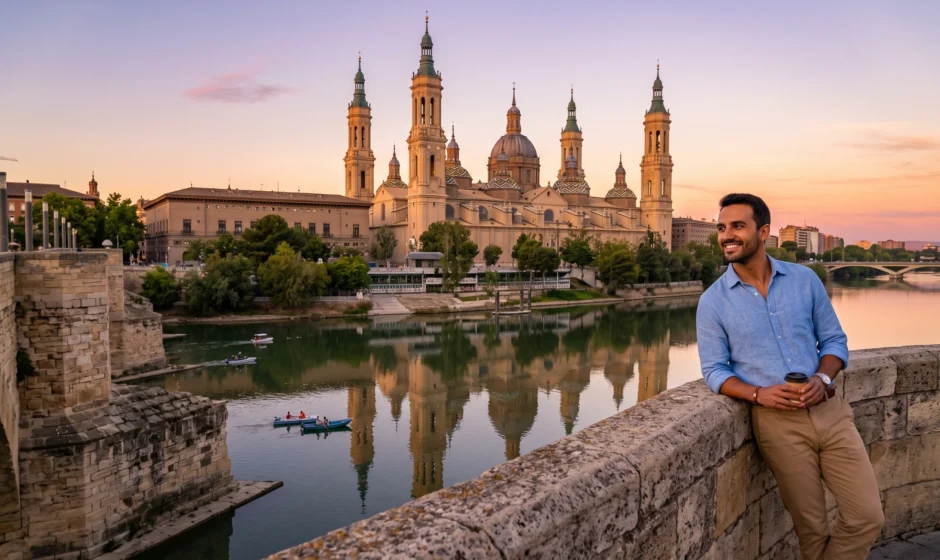
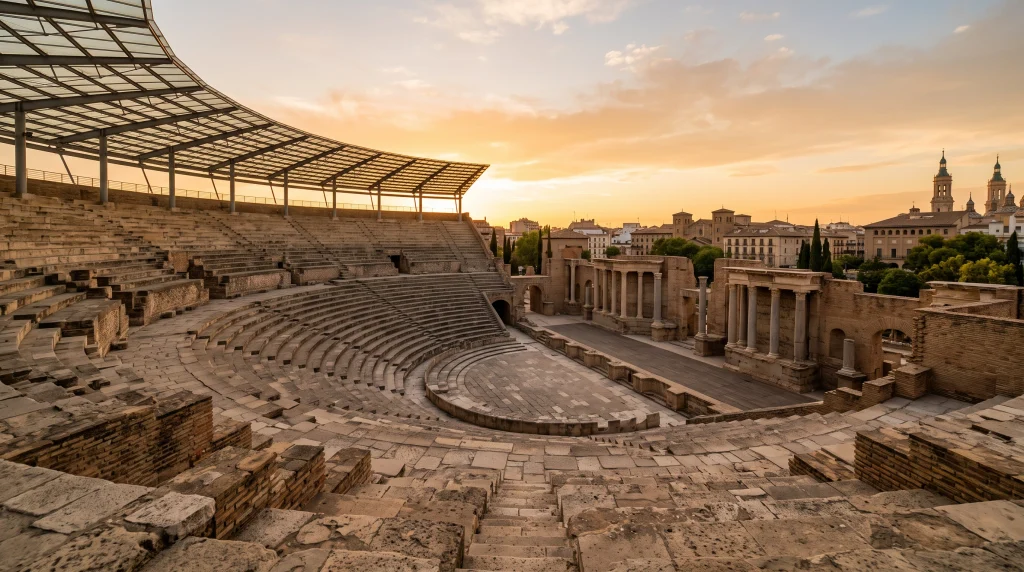
Zaragoza sits almost exactly between Madrid and Barcelona, yet most travelers skip straight past it. That’s a mistake. The Basílica del Pilar dominates the riverside skyline and remains one of Spain’s most important religious sites. Inside the old town, Roman ruins and Islamic-era walls sit side by side.
The Aljafería Palace features 12th-century Mudejar architecture, recognized by UNESCO. Its carved ceilings and horseshoe arches rival anything in Granada or Córdoba. Zaragoza also has a strong street art scene, concentrated in the El Gancho and La Magdalena neighborhoods.
Cádiz | Western Europe’s Oldest City
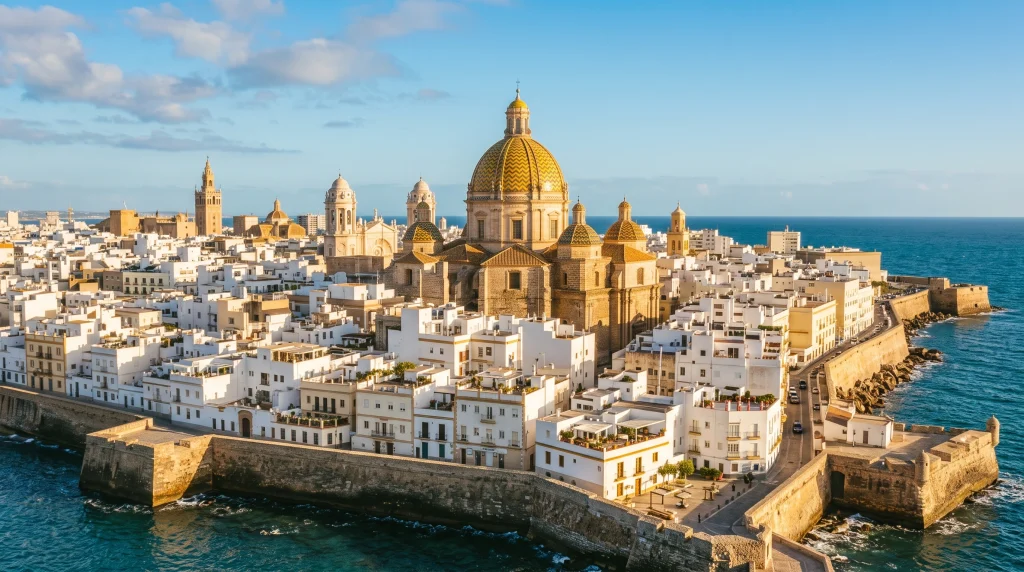
Cádiz claims the title of oldest continuously inhabited city in Western Europe, founded by Phoenician traders roughly 3,000 years ago. The old town sits on a narrow peninsula, surrounded almost entirely by water. Golden sand beaches sit within walking distance of Baroque cathedrals. Cádiz hosts one of Spain’s liveliest Carnival celebrations each February. Locals take the festival more seriously here than almost anywhere else in the country. Unlike Seville or Granada, Cádiz rarely feels crowded, even during peak summer months.
Salamanca | Spain’s Golden University City
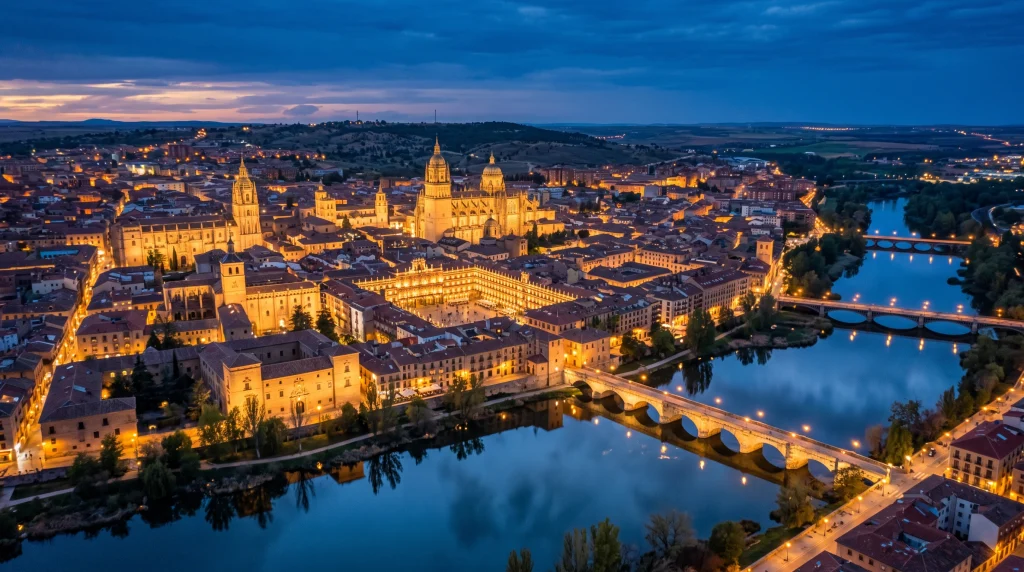
Salamanca’s university, founded in 1218, makes it one of the oldest academic centers in Europe. The city still runs on student energy today. Most buildings use a local sandstone that turns gold at sunset, giving Salamanca its nickname: La Dorada. The Plaza Mayor ranks among Spain’s most beautiful main squares. It once served as a bullring before becoming the city’s social heart. Salamanca sits about two and a half hours from Madrid, making it an easy add-on to a longer Spain itinerary.
Girona | Medieval Streets and a Famous Cathedral
Girona’s Jewish Quarter, El Call, remains one of the best-preserved medieval Jewish neighborhoods in Europe. Its narrow stone streets barely fit two people side by side. The city’s cathedral has the widest Gothic nave in the world. Its dramatic staircase became internationally recognizable after appearing in Game of Thrones. Colorful houses line the Onyar River, creating one of Spain’s most photographed skylines outside of Barcelona. Girona sits under an hour from Barcelona by train, yet receives a fraction of its visitors.
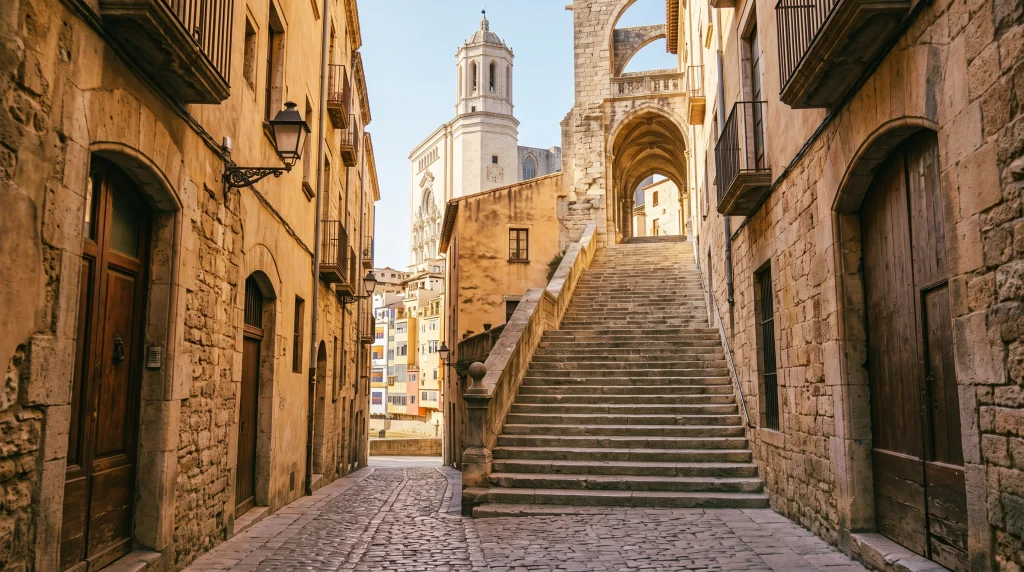
Cáceres | A Medieval Old Town Frozen in Time
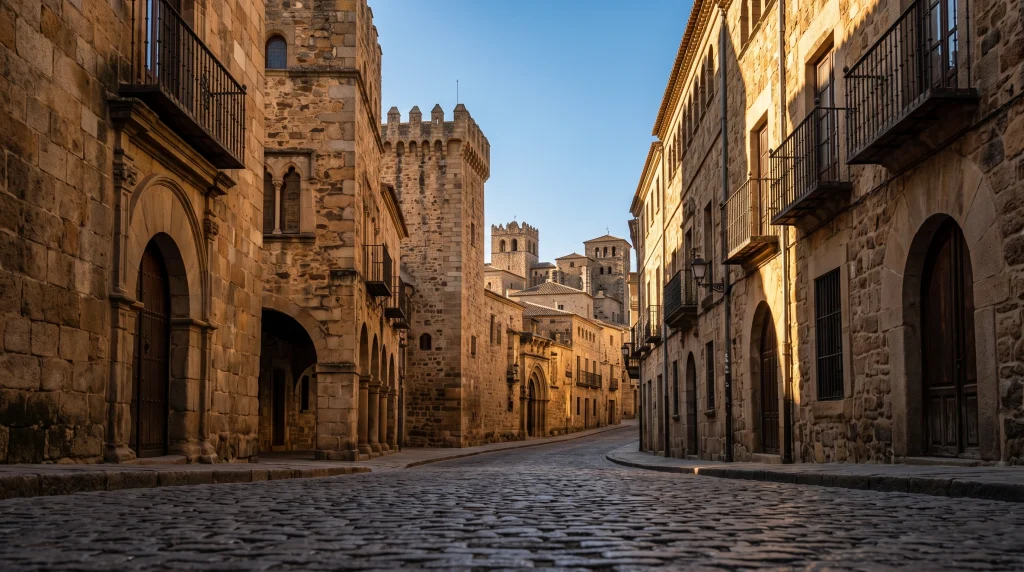
Cáceres’ old town earned UNESCO World Heritage status for its remarkably preserved medieval and Renaissance architecture. Stone towers, palaces, and churches fill the historic center, largely untouched since the 15th and 16th centuries. Few Spanish cities feel this consistently old.
The city sits in Extremadura, a region many international travelers overlook entirely. That makes Cáceres one of the quietest historic centers in the country. Local cuisine leans heavily on cured meats and cheeses from the surrounding countryside.
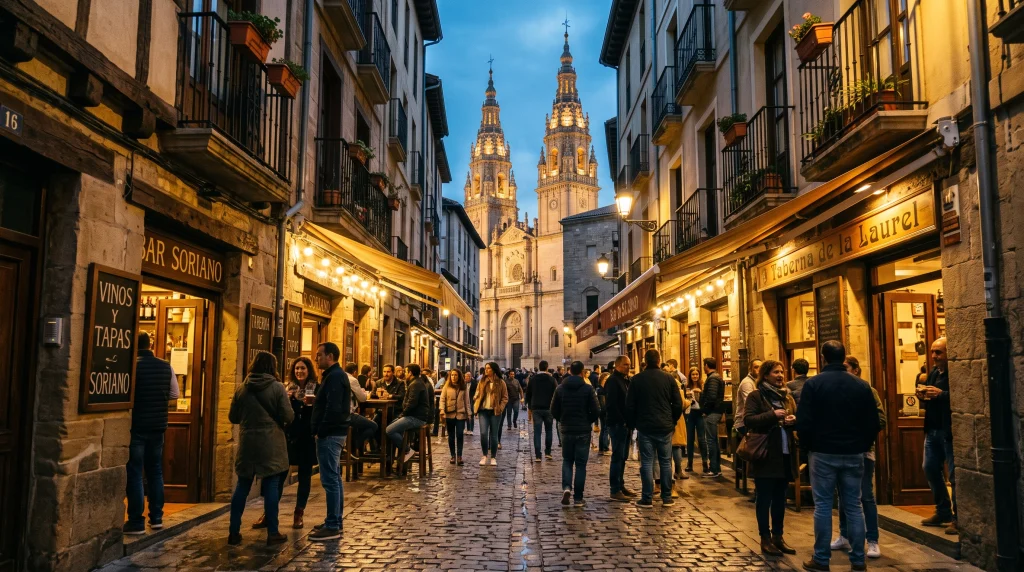
Logroño | Spain’s Wine Capital Nobody Talks About
Logroño is the capital of La Rioja, Spain’s most famous wine region. Despite this, the city itself stays largely off the tourist radar. Calle Laurel, the city’s tapas street, packs dozens of bars into a few short blocks. Locals treat it as a nightly ritual rather than a tourist activity.
Logroño also marks a major stop on the Camino de Santiago pilgrimage route. Pilgrims pass through, but few travelers stay longer than a night. Wine tours to nearby bodegas make an easy day trip from the city center.
Cuenca | A City Built Into a Cliff
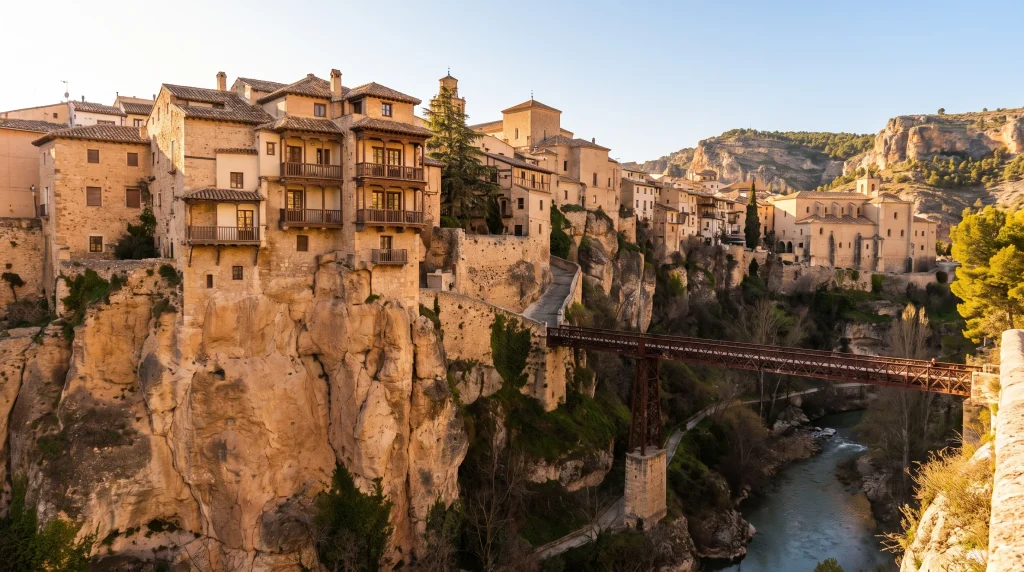
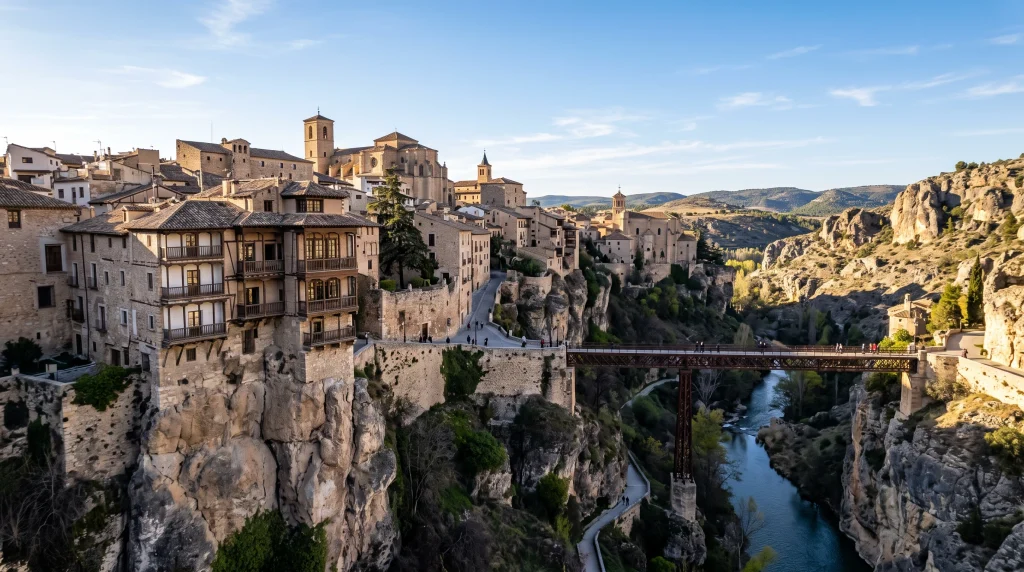
Cuenca’s Casas Colgadas, or hanging houses, extend directly off a cliff edge above the Huécar River gorge. The effect is dramatic and unlike anywhere else in Spain. The medieval old town retains its walled layout, with steep stone streets winding up toward the cathedral. Cuenca has also earned a reputation as a center for Spanish abstract art, with several small museums dedicated to the movement. The city sits about an hour from Madrid by high-speed train, making it one of the easiest underrated day trips from the capital.
A Coruña | Spain’s Overlooked Atlantic Coast
A Coruña sits on Spain’s northwestern Atlantic coast, in the region of Galicia. Most international visitors head to nearby Santiago de Compostela instead. The Tower of Hercules, a working Roman lighthouse, is the oldest of its kind still in operation anywhere in the world. A Coruña’s old town features glass-fronted balconies that give the city its nickname, the City of Glass. The Atlantic setting brings a cooler, greener landscape than the sunbaked south, along with excellent seafood.
Smaller Towns Worth a Detour
For travelers who want to go even further from the tourist trail, a few small towns stand out.
- Teruel: Known for Mudejar architecture and one of Spain’s least-visited provinces.
- Setenil de las Bodegas: A small Andalusian town built directly into cliffside rock.
- Priego de Córdoba: A less-visited Andalusian town with striking Baroque architecture.
How to Fit These Into a Spain Trip?
Most of these cities work best as additions to a larger itinerary, not standalone destinations. Zaragoza and Cuenca pair naturally with a Madrid-to-Barcelona route. Girona fits easily alongside Barcelona. Cádiz and Logroño work well combined with Seville or a Basque Country trip, respectively. Salamanca and Cáceres pair together in western Spain. Building in one or two underrated stops breaks up a trip focused only on major cities, and avoids the peak-season crowding found in Barcelona, Seville, and Granada.
For the full list of Spain’s top-visited cities, see our guide to the best cities to visit in Spain.
Frequently Asked Questions
Where in Spain is it not touristy?
Zaragoza, Cáceres, and Cádiz remain far less crowded than Spain’s major cities, as covered in the Underrated Cities article. Smaller towns like Cuenca and Teruel go even further off the beaten path.
What is the prettiest city to visit in Spain?
Granada is most frequently named, largely for the Alhambra and its hillside old town. Seville and San Sebastián are also commonly cited.
What’s the most affordable city in Spain?
Valencia and Málaga are consistently ranked among the most affordable major cities, with Numbeo data showing Valencia running roughly 15% cheaper than Barcelona. Madrid and Barcelona remain the priciest.
Where do most Americans live in Spain?
Madrid and Barcelona host the largest American expat populations, given international job opportunities and flight connections. Coastal areas in Andalusia, particularly around Málaga, also draw a sizable retiree and remote-worker community.
Is it cheaper to live in Spain than the USA?
Yes, multiple cost-of-living comparisons put Spain roughly 21-30% cheaper than the US overall, with rent showing the biggest gap. The exact savings depend heavily on which Spanish city you compare against which US city.
Where is the cheapest and safest place to live in Spain?
Valencia and Málaga are frequently cited as offering strong affordability alongside good safety and quality of life. Smaller cities like Alicante also come up often in relocation guides, though I’d want to verify safety statistics specifically before publishing a firm claim.
What are the best small towns to visit in Spain?
Cuenca, Salamanca, and Cádiz are strong picks, plus smaller stops like Setenil de las Bodegas and Priego de Córdoba — all covered in the Underrated Cities article
Which city in Spain is the most walkable?
Seville and San Sebastián top most rankings for walkability, both flat and compact. This is covered in full in the Most Walkable Cities article.
What are the most touristy cities in Spain?
Barcelona and Madrid draw the largest visitor numbers by far, followed by Seville and Málaga. Barcelona in particular has faced overtourism pushback from residents in recent years.
Where to avoid in Spain?
This is too broad to answer meaningfully without more context — “avoid” could mean unsafe areas, overtouristed spots, or overpriced tourist traps, and the answer differs by city. Within cities already covered, avoid restaurants directly next to major landmarks, which tend to be overpriced.
What are some underrated cities to visit in Spain?
Zaragoza, Cádiz, Salamanca, Girona, Cáceres, Logroño, Cuenca, and A Coruña — all covered in depth in the Underrated Cities article.