

Málaga has shifted from a beach layover into a genuine cultural destination in its own right. Picasso was born here, and the city has leaned into that legacy. Its mild climate and coastal location also make it a reliable base for exploring the wider Costa del Sol. This guide covers Málaga’s top sights and how to plan a visit.
How Many Days Do You Need in Málaga?
Two days covers the historic center and main museums. A third day allows time for the beach or a short trip along the coast.
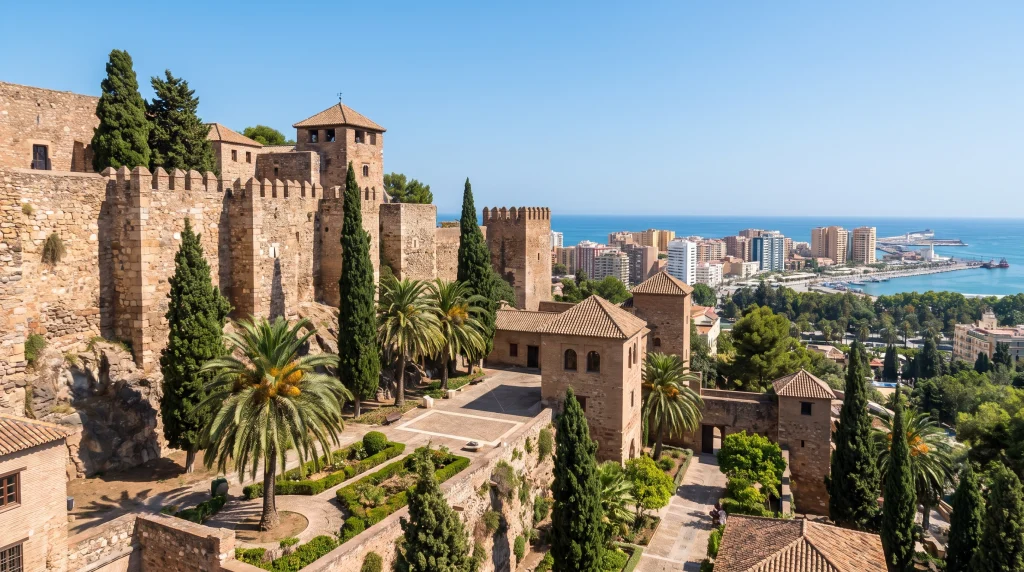
The Alcazaba
The Alcazaba fortress overlooks the city and harbor, with Moorish walls dating back to the 11th century. Its terraced gardens and defensive towers make for an easy, scenic walk with strong views over the port. The site connects to the Gibralfaro castle above it via a walking path, for travelers who want a longer hike.
Picasso Museum and Birthplace
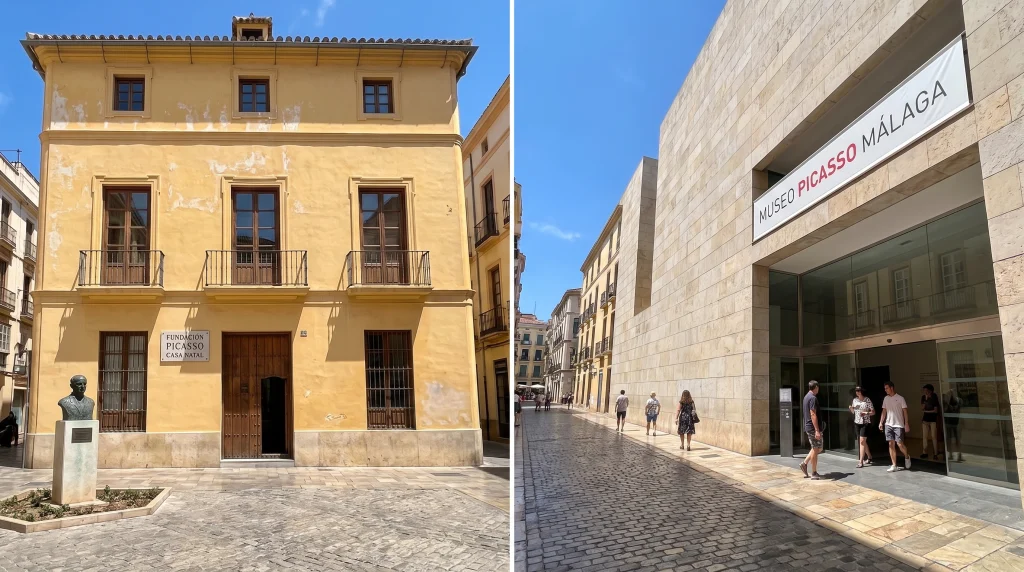
The Museo Picasso Málaga houses a substantial collection spanning the artist’s career, donated in part by his own family. Picasso’s birth house, Casa Natal, sits nearby in Plaza de la Merced and functions as a smaller museum dedicated to his early life.
Málaga’s Historic Center
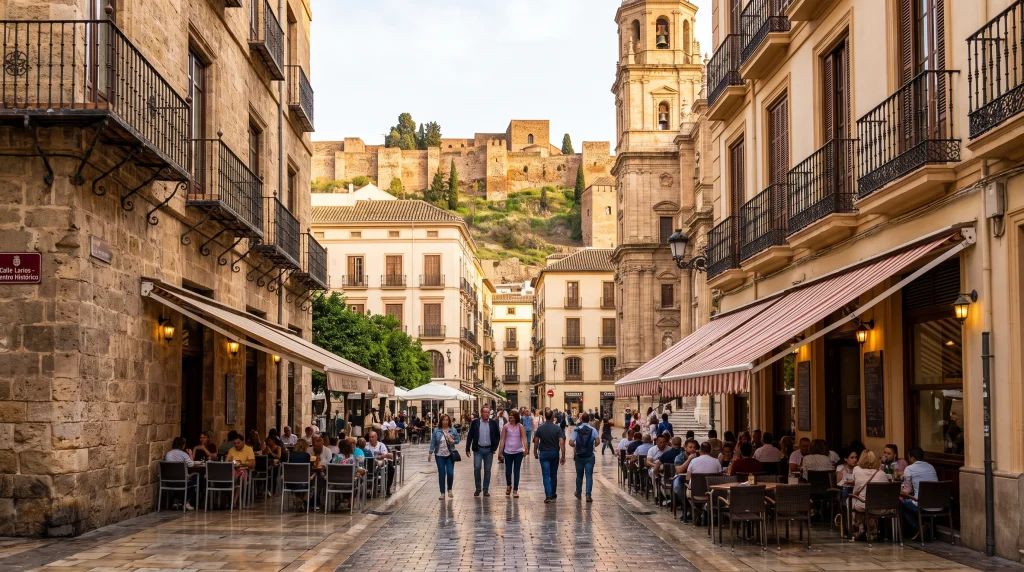
The old town centers around Calle Larios, a pedestrian shopping street lined with historic buildings. Málaga Cathedral, sometimes called “La Manquita” for its unfinished second tower, anchors the center and welcomes visitors most days.
Beaches in Málaga
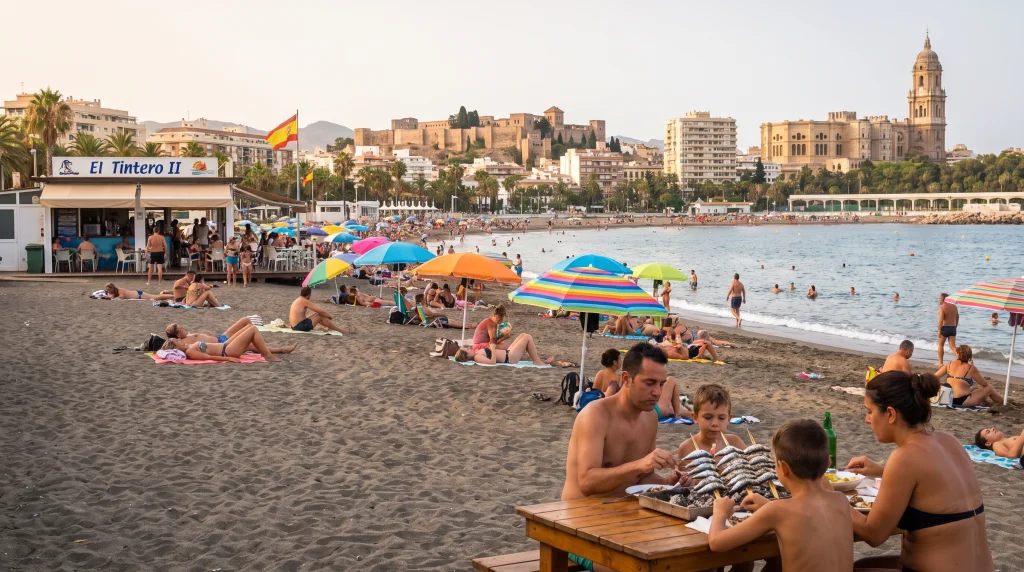
Málaga’s city beaches, including Playa de la Malagueta, sit within walking distance of the historic center. They’re less dramatic than beaches further along the Costa del Sol but offer real convenience for combining sightseeing with beach time.
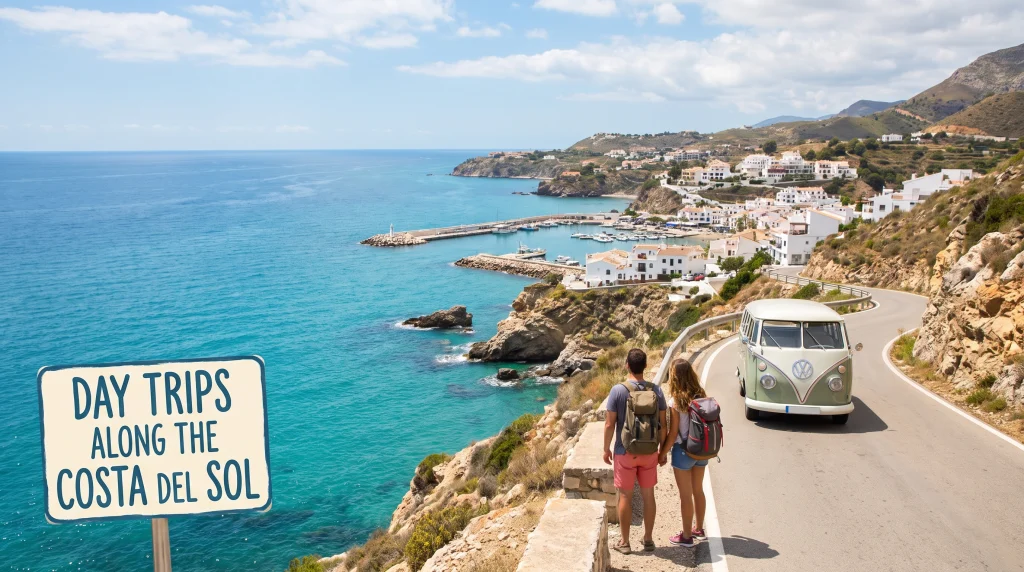
Day Trips Along the Costa del Sol
Nerja, about an hour east, is known for dramatic cliffside views and a cave system worth visiting. Marbella, roughly 45 minutes away, offers a more upscale beach town atmosphere with a well-preserved old quarter.
Where to Stay
Centro Histórico: Best for first-time visitors who want to walk to the Alcazaba and Picasso Museum.
Malagueta: Closer to the beach, with a quieter, more residential feel.
Soho: Known for street art and a growing food and nightlife scene.
Best Time to Visit Málaga
Málaga’s climate stays mild through most of the year, making it a reliable choice for an off-season trip when other Spanish cities feel too cold or too hot. Summer brings peak crowds and beach season, while spring and fall offer more comfortable sightseeing temperatures.
Final Tips
Combine Málaga with at least one Costa del Sol day trip if time allows, since the surrounding coastline adds real variety. Book Picasso Museum tickets online during peak season to avoid longer lines. For a broader comparison with Spain’s other major cities, see our full guide to the best cities to visit in Spain.
For a broader comparison with Spain’s other major cities, see our full guide to the best cities to visit in Spain
Frequently Asked Questions
How many days in Málaga are enough?
Two days are enough to spend in Málaga. Because tourist can cover the historic center and main museums. A third day allows time for the beach or a short trip along the Costa del Sol.
What should I not miss in Málaga?
Tourist must not miss these sites, The Alcazaba fortress and the Picasso Museum. Calle Larios and Málaga Cathedral round out a solid first-day itinerary.
Where to avoid staying in Málaga?
Areas directly around the bus and train station can feel less walkable and further from major sights. Stick to the historic center, Malagueta, or Soho for easier access to attractions on foot.
What is the best month to visit Málaga?
May and September are considered as the best months to visit Málaga because they are warm enough for the beach, without the peak heat and crowds of July and August
Is Málaga cheap or expensive?
Málaga is generally more affordable than Barcelona or Madrid for accommodation and dining. Prices rise noticeably in summer, when it’s a peak beach destination.
What is the rainiest month in Málaga?
Sources vary slightly, pointing to either November or December as the wettest month, with average rainfall in that period around 70-100mm. Rain is uncommon overall, Málaga gets roughly 300 sunny days a year.
What is the average temperature in Málaga by month?
Winter months (December-February) average around 16-17°C in the daytime. Summer months (June-August) average around 26-29°C, with August typically the warmest.
Do people speak English in Málaga?
English is widely spoken in tourist areas, hotels, and restaurants, especially given the region’s large expat and tourism population. Learning a few basic Spanish phrases is still appreciated outside the main tourist zones.
What is Málaga known for?
Málaga is known as Picasso’s birthplace, its Moorish Alcazaba fortress, and its role as a gateway to the Costa del Sol’s beaches. It’s increasingly recognized as a genuine museum and culture destination, not just a beach layover