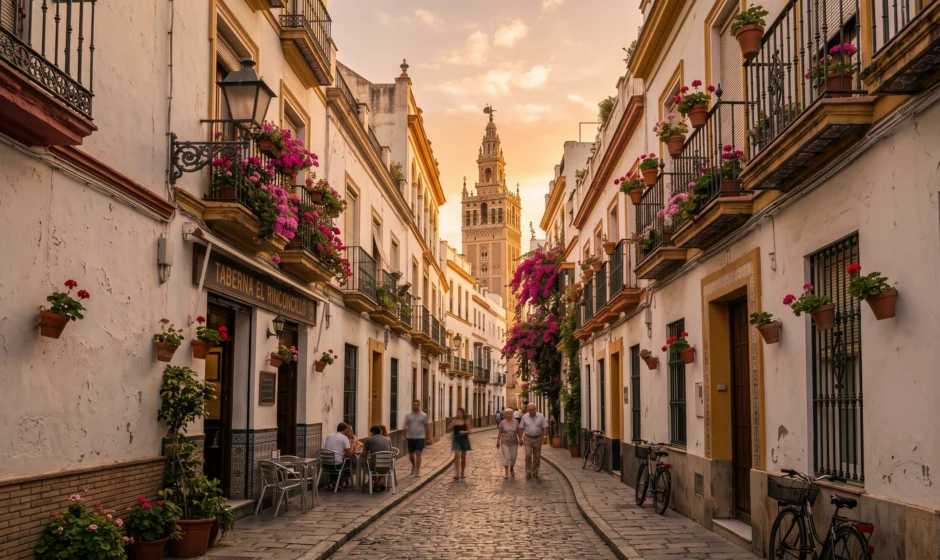

Spain packs more variety into one country than almost anywhere in Europe. Beach towns, mountain cities, and historic capitals all sit within a few hours of each other. Choosing where to go can feel overwhelming. This guide breaks down the best cities to visit in Spain, what each one offers, and how to pick the right ones for your trip. Whether you want architecture, food, nightlife, or quiet old-town streets, there’s a Spanish city built for it.
Ideal Tips for Spain Travel Guide
| City | Best For | Ideal Trip Length |
| Barcelona | Architecture, beaches | 3-4 days |
| Madrid | Art, nightlife, central access | 3-4 days |
| Seville | Flamenco, Andalusian culture | 2-3 days |
| Valencia | Food, modern architecture | 2 days |
| Granada | History, the Alhambra | 2 days |
| San Sebastián | Food, coastal scenery | 2-3 days |
| Málaga | Beaches, museums | 2 days |
| Bilbao | Modern art, Basque culture | 2 days |
Barcelona | Best for Architecture and Beach Culture
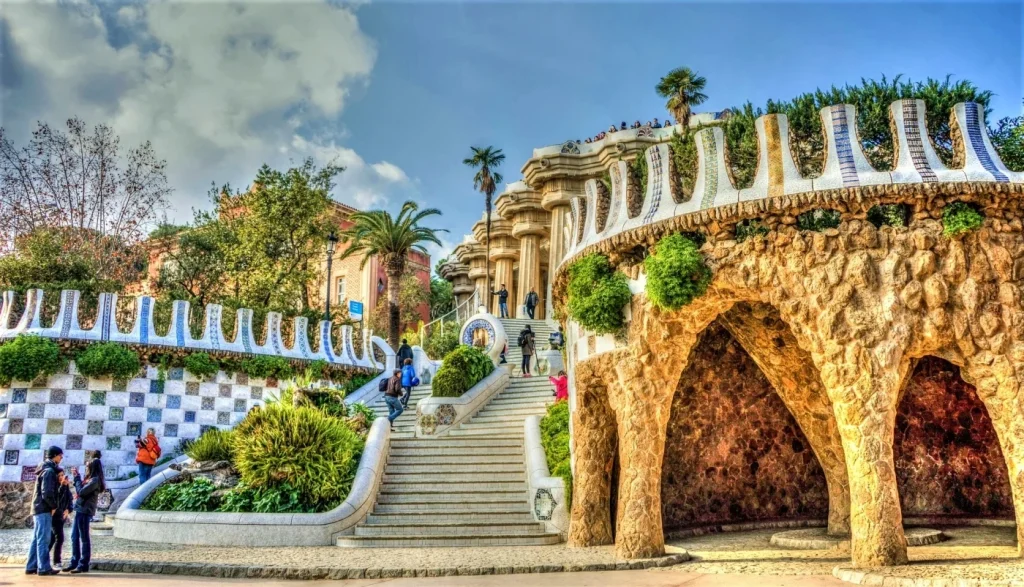
Barcelona blends beach life with world-class architecture. Antoni Gaudí’s buildings define the city’s skyline and its identity. The Sagrada Família remains unfinished after more than a century of construction. Book tickets in advance, since it sells out most days. Park Güell offers sweeping city views and more of Gaudí’s playful design. The Gothic Quarter, by contrast, feels centuries older, with narrow medieval streets.
Barceloneta Beach sits a short walk from the city center. It’s one of the few European capitals where you can swim and sightsee in the same afternoon. Read the full Barcelona travel guide for a detailed sightseeing plan.
Madrid | Best for Art, Nightlife, and Central Access
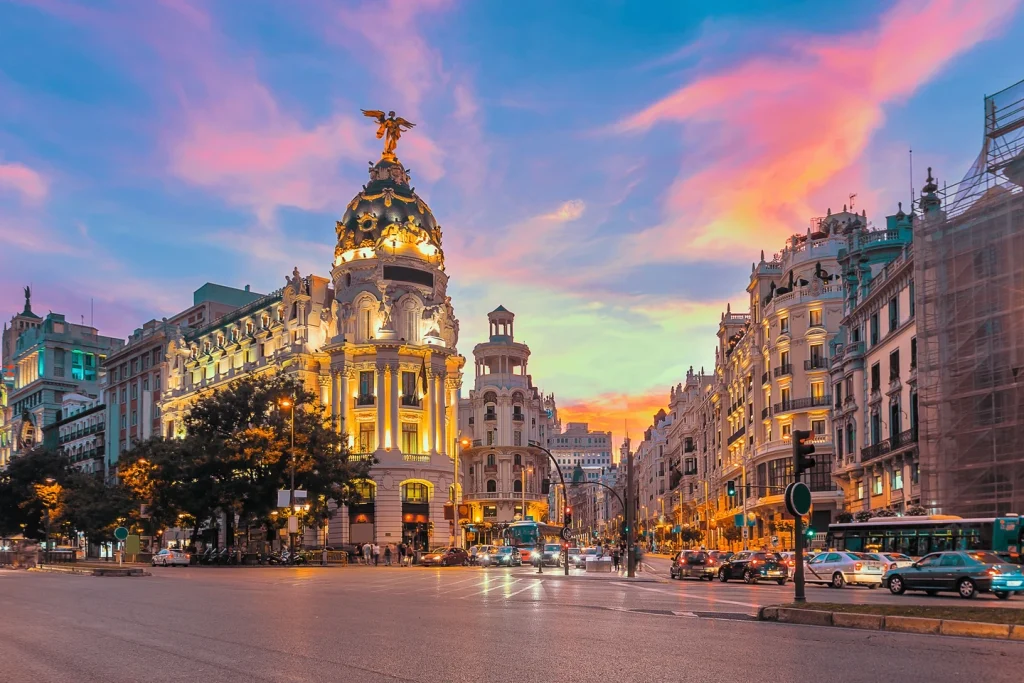
Madrid sits at the heart of Spain, both geographically and culturally. It’s also the easiest base for day trips to Toledo, Segovia, and Ávila. The Prado Museum houses works by Velázquez and Goya. Nearby, the Reina Sofía holds Picasso’s Guernica. Madrid’s nightlife runs later than most European cities. Locals often eat dinner after 9 p.m. and stay out well past midnight. Retiro Park offers a quieter counterpoint, with boating lakes and tree-lined paths popular with residents.
Read the full Madrid travel guide for museum tips and day trip ideas.
Seville | Best for Flamenco and Andalusian Culture
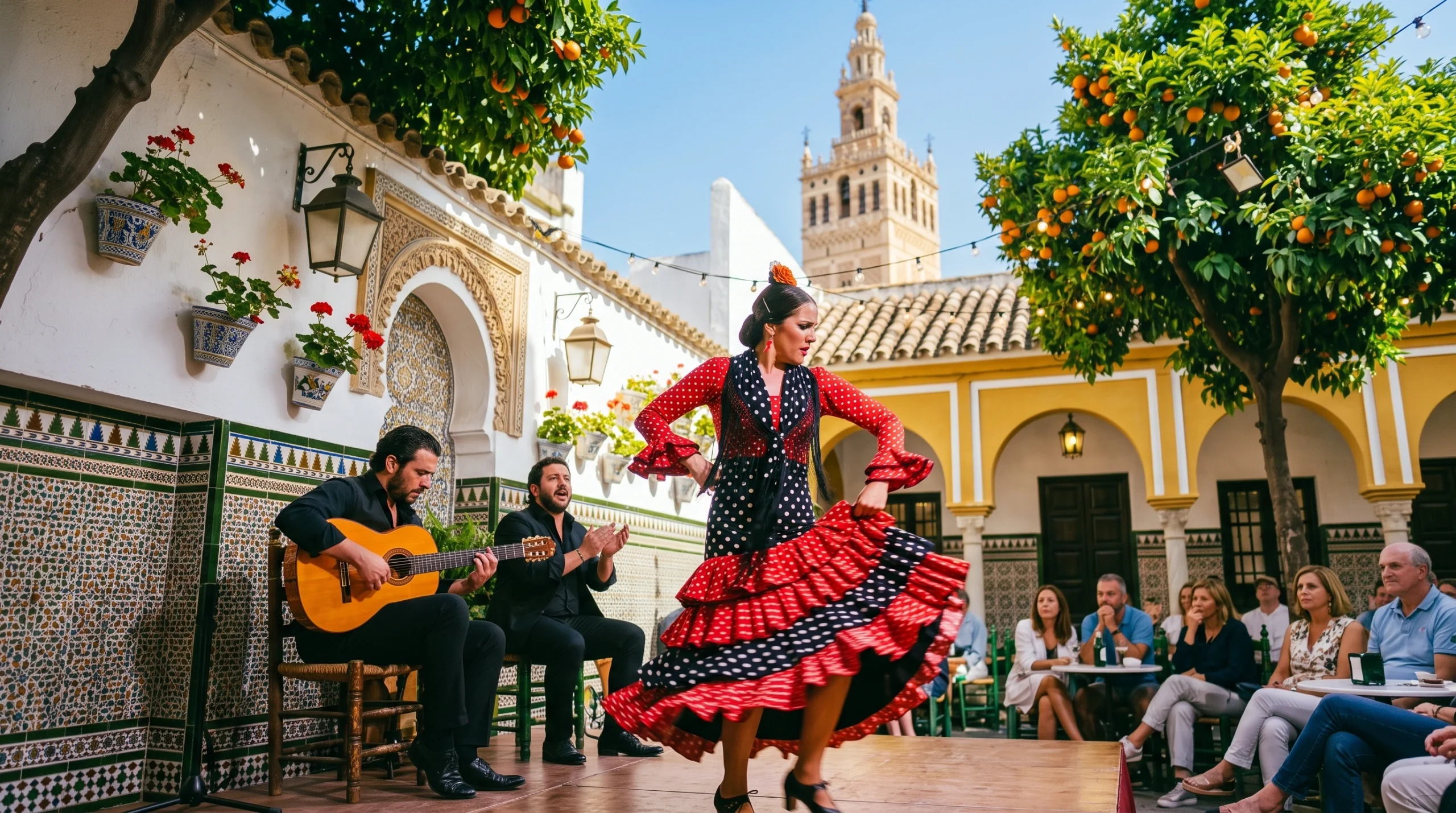
Seville captures the spirit of southern Spain better than any other city. Flamenco originated here, and live performances happen nightly in small local venues. Seville Cathedral is the largest Gothic cathedral in the world. Its bell tower, La Giralda, offers panoramic views after a gentle ramped climb. The Real Alcázar showcases Moorish architecture that predates the Alhambra. Its gardens alone are worth a slow afternoon walk. Spring brings Seville’s biggest festivals, including Semana Santa and the Feria de Abril. Expect higher prices and larger crowds during these weeks.
Read the full Seville travel guide for flamenco venues and day trip options.
Valencia | Best for Food and Modern Architecture
Valencia is the birthplace of paella, and the dish tastes different here than anywhere else. Order it for lunch, since traditional restaurants rarely serve it at dinner. The City of Arts and Sciences dominates the modern side of Valencia. Its curved white buildings house an aquarium, planetarium, and opera house. Valencia gets over 300 days of sun per year. That makes it one of the most reliable warm-weather city breaks in Spain. The old town remains compact and walkable, centered around the Silk Exchange, a UNESCO World Heritage site.
Read the full Valencia travel guide for paella spots and beach access.
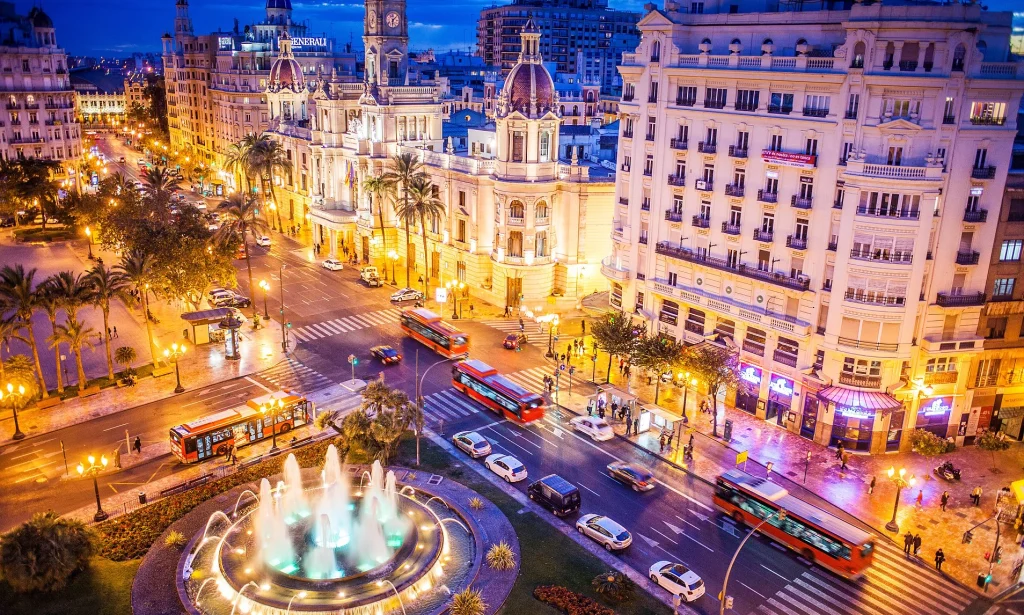
Granada | Best for History and the Alhambra
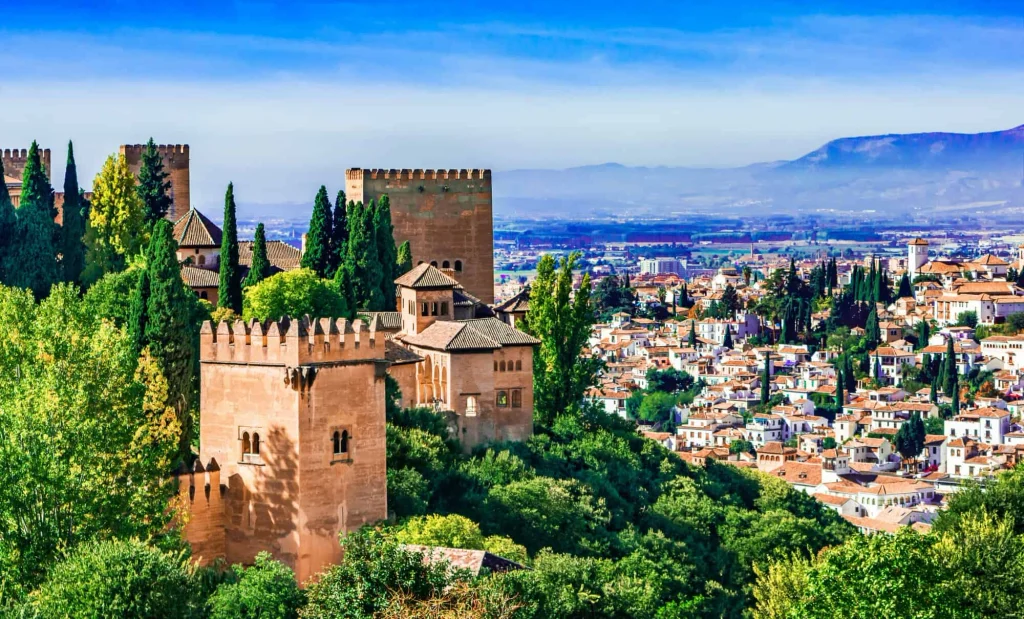
Granada exists almost entirely in the shadow of one building: the Alhambra. It’s worth the trip on its own. This fortress-palace complex blends Islamic, Renaissance, and medieval architecture across several centuries. Tickets sell out weeks in advance during peak season. Below the Alhambra, the Albaicín neighborhood preserves Granada’s old Moorish quarter. Its winding streets lead to viewpoints overlooking the fortress at sunset. Granada also observes a traditional siesta. Many shops and restaurants close between roughly noon and 4 p.m.
Read the full Granada travel guide for Alhambra ticket tips.
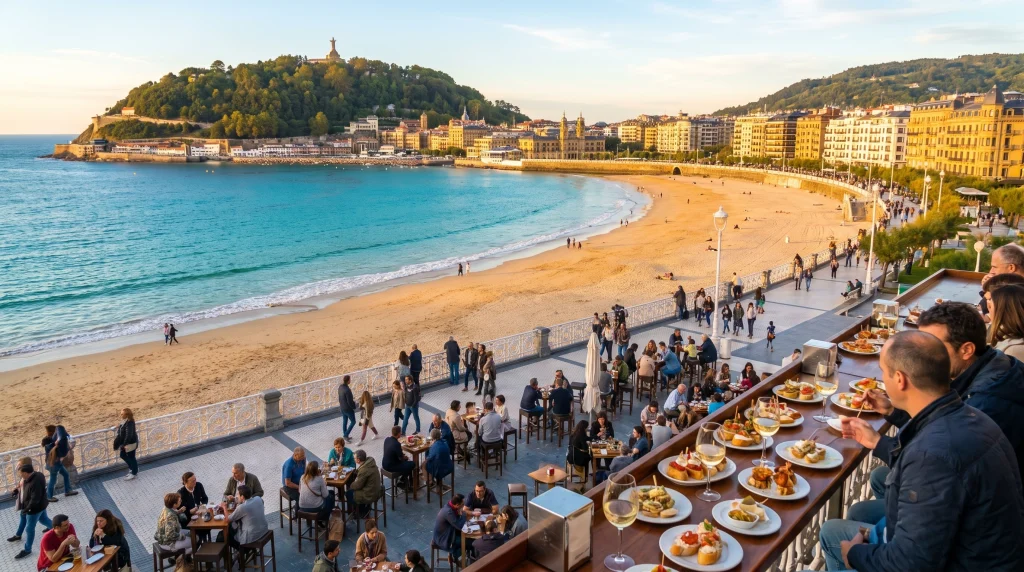
San Sebastián | Best for Food and Coastal Scenery
San Sebastián has one of the highest concentrations of Michelin-starred restaurants per capita in the world. Even its casual bars serve exceptional food. Pintxos, the Basque take on tapas, are the city’s signature dish. Bars pile bite-sized food onto bread, and you pay by the toothpick count. La Concha Beach curves around the city center, framed by green hills. It’s consistently ranked among Europe’s best urban beaches. San Sebastián sits close to the French border, making it easy to pair with a Basque Country road trip.
Read the full San Sebastián travel guide for pintxos bars and Michelin-starred picks.
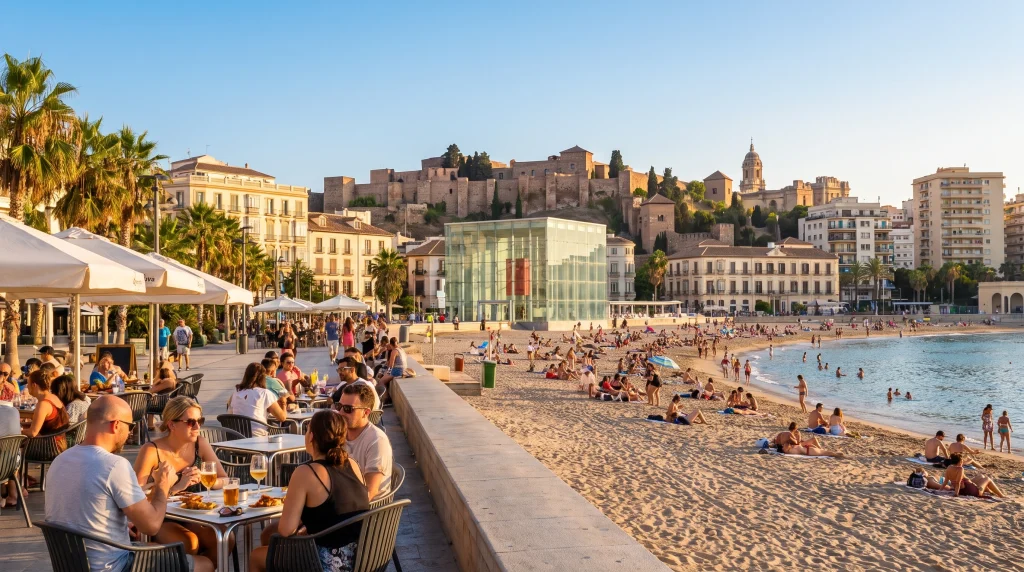
Málaga | Best for Beaches and Museums
Málaga has shifted from a beach layover to a genuine cultural destination. Picasso was born here, and his birth museum draws steady crowds. The Alcazaba fortress overlooks the city and harbor. Its Moorish walls date back to the 11th century. Málaga’s climate stays mild through most of the year. This makes it a reliable choice for an off-season trip. The city center connects easily to nearby coastal towns along the Costa del Sol.
Read the full Málaga travel guide for Costa del Sol day trips.
Bilbao | Best for Modern Art and Basque Culture
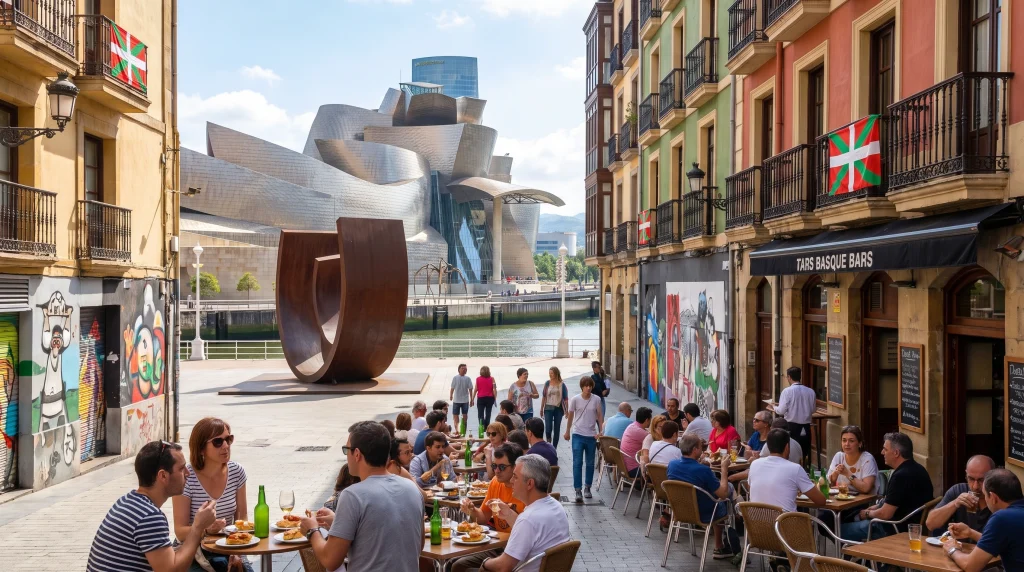
Bilbao transformed itself around one building: the Guggenheim Museum. Frank Gehry’s titanium structure put the city on the global travel map. Beyond the museum, Bilbao’s old town, Casco Viejo, retains a traditional Basque character. Pintxo bars line its narrow streets. The city sits inland but stays connected to the coast. Nearby beach towns like Getxo make an easy half-day trip. Bilbao works well paired with San Sebastián for a full Basque Country itinerary.
Read the full Bilbao travel guide for Guggenheim tickets and old town tips.
Underrated Cities Worth Adding
Not every great Spanish city makes the standard list. These three reward travelers willing to go slightly off-route.
- Córdoba: Home to the Mezquita, a mosque-cathedral blending Islamic and Christian architecture in one structure.
- Zaragoza: Roman ruins, Islamic-influenced palaces, and far fewer tourists than similarly sized cities.
- Salamanca: A university town with golden sandstone buildings and one of Spain’s most beautiful main squares.
See the full guide to underrated cities in Spain for five more off-route picks, including Girona, Cáceres, and Logroño.
How to Choose Which Cities to Visit
Matching cities to your travel style makes planning easier than picking from a generic top-ten list.
- For first-time visitors: Start with Madrid and Barcelona. Both offer major sights, easy transport, and strong flight connections.
- For food lovers: Prioritize San Sebastián, Valencia, and Seville. Each has a distinct culinary identity worth building a trip around.
- For beach time: Focus on Barcelona, Málaga, and Valencia, all of which combine city sightseeing with coastal access.
- For history and architecture: Granada, Córdoba, and Toledo offer the deepest concentration of historic sites.
- For a quieter trip: Zaragoza and Salamanca deliver major-city sights without major-city crowds.
Frequently Asked Questions
What is the prettiest city in Spain?
Granada is frequently named Spain’s most beautiful city, largely due to the Alhambra and its hillside old town. Seville and San Sebastián are also strong contenders for their architecture and coastal setting.
What are the top 3 cities to visit in Spain?
Barcelona, Madrid, and Seville are consistently ranked as Spain’s top three cities. They offer the widest range of sights, culture, and transport connections for first-time visitors.
What are Spain’s top 5 cities?
Barcelona, Madrid, Seville, Valencia, and Granada make up most experts’ top five. Together, they cover architecture, art, food, and history across different regions of the country.
What are the top 10 places to visit in Spain?
Beyond the top five, San Sebastián, Málaga, Bilbao, Córdoba, and Toledo round out a strong top ten. This mix balances major cities with smaller cultural destinations.
Where in Spain is it not touristy?
Zaragoza, Salamanca, and Cádiz remain far less crowded than Spain’s major cities, offering similar architecture and history with a fraction of the visitor traffic. See our guide to underrated cities in Spain for a full list.
Which city in Spain is the most walkable?
Seville and San Sebastián rank among the most walkable Spanish cities, both flat and compact with dense old towns. See our full guide to the most walkable cities in Spain for a complete ranking.
Where to go in Spain for first-timers?
Madrid and Barcelona work best for first-time visitors. Both cities have major airports, extensive public transport, and enough sights to fill several days each.
Is Barcelona or Madrid better?
Barcelona suits travelers who want beach access alongside architecture and a coastal atmosphere. Madrid suits travelers who prefer art museums, central location, and later nightlife. Neither city is objectively better; the right choice depends on travel style.
Planning Your Trip
Most of these cities connect easily by Spain’s high-speed AVE train network. Madrid to Barcelona takes under three hours, and Madrid to Seville takes about two and a half.
Pick two or three cities rather than trying to see everything in one trip. Spain rewards slower travel over rushed itineraries.
For a full breakdown of how many days to spend and how to sequence your route, see our Spain itinerary guide.